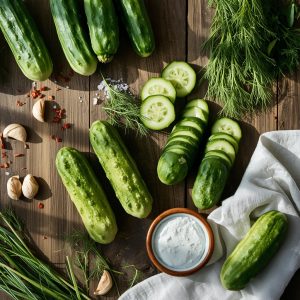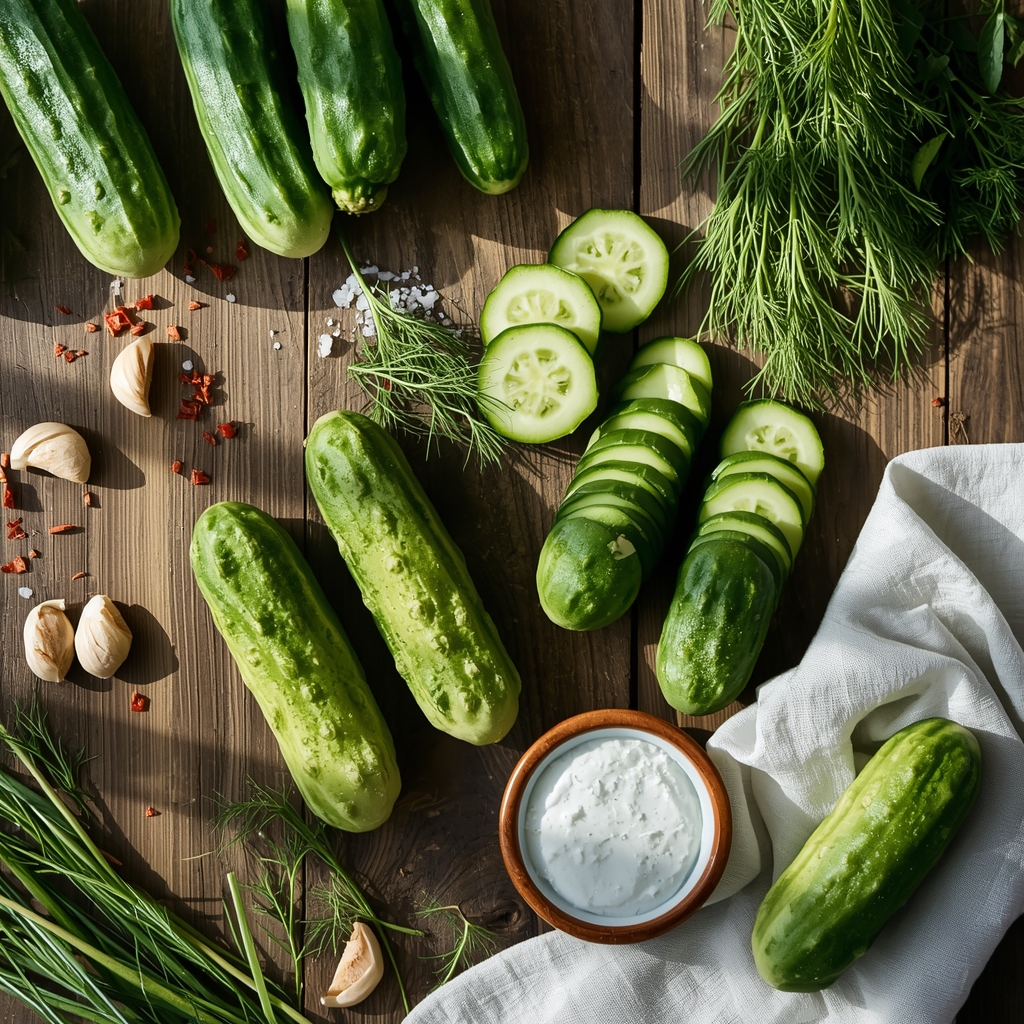
When I first started building a produce-forward kitchen, Kirby cucumbers were not at the top of my list. I assumed they were just smaller versions of the cucumbers I already knew. I was wrong. These compact, bumpy-skinned vegetables are a category unto themselves, and once I understood what makes them distinctive, I started reaching for them constantly. Kirby cucumbers are firm, crisp, and packed with flavor in a way that larger slicing cucumbers rarely match. Their thin skin and tight seed cavity make them ideal for eating raw, pickling, and adding crunch to almost any plant-based dish.
In this article, I will walk you through everything worth knowing about these small cucumbers: what they are, their nutritional advantages, how to choose and store them, the best ways to prepare them, and a simple plant-based recipe you can try today. Whether you are new to fresh Kirby cucumbers or already use them regularly, there is practical information here that will help you get more from this underappreciated ingredient.
What Sets Kirby Cucumbers Apart?
Physical Characteristics
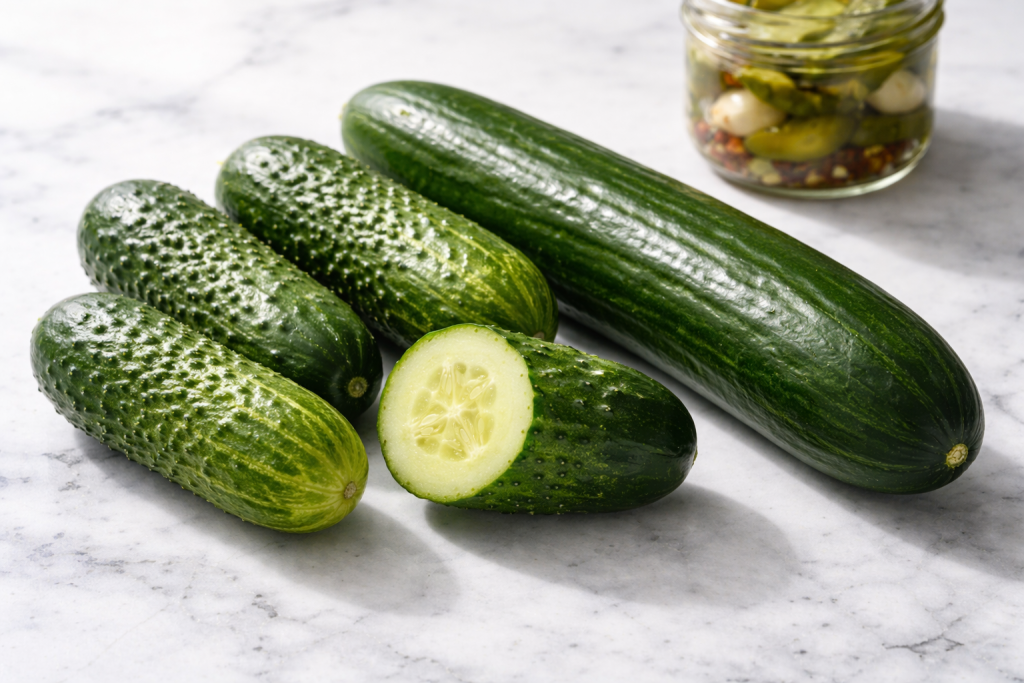
Kirby cucumbers are short and stout, typically measuring three to five inches in length. Their skin is thin with a characteristic bumpy texture, and their interior has a compact seed cavity that gives them an unusually dense, crunchy bite. Unlike English cucumbers, which are long and smooth with a mild flavor, Kirbys are slightly more assertive in taste and hold their texture well even after salting or marinating. The thin skin means you can eat them whole without peeling, which makes preparation faster and reduces food waste.
Why They Are the Preferred Pickling Cucumber
Ask any experienced pickler, and they will point you toward pickling cucumbers without hesitation. Kirby cucumbers are the gold standard for a reason: their firm walls absorb brine evenly, their thin skin allows flavor to penetrate quickly, and their low moisture content keeps them crunchy long after they are preserved. Compared to garden slicing cucumbers, which can turn soft and waterlogged during pickling, Kirbies remain satisfyingly firm. This quality also makes them excellent for quick-pickling, which takes less than an hour using vinegar, salt, and aromatics.
Availability and Sourcing
Kirby cucumbers are most abundant from late spring through early fall, which is when I find the best ones at farmers markets. During peak season, they are often sold by the pound in bulk, making them one of the more affordable fresh vegetables available. Outside of peak season, most well-stocked grocery stores carry them year-round. If you are having trouble finding them labeled as Kirbys, look for small cucumbers marketed as pickling cucumbers. They are typically the same variety.
Nutritional Benefits Worth Knowing
Nutritional Profile
One of the first things I appreciate about Kirby cucumbers is their hydration value. They are composed of roughly 95 percent water, which means eating them contributes meaningfully to your daily fluid intake. For a whole food with that water content, they are also surprisingly nutrient-dense. A one-cup serving of sliced Kirby cucumber provides vitamin K, which supports bone health and proper blood clotting, along with vitamin C for immune function and skin repair. They also contain potassium, which helps regulate blood pressure, and magnesium, which supports muscle and nerve function.
Fiber and Digestive Health
The dietary fiber in fresh Kirby cucumbers supports digestive regularity and helps maintain a healthy gut. Because I keep the skin on when eating them raw, I get the full benefit of the fiber content, which sits primarily in and just under the skin. Their low calorie density makes them one of the most satisfying low-impact snacks I know. A full cup of sliced Kirby cucumber contains fewer than 20 calories, which means you can eat them freely without concern for caloric load.
Anti-Inflammatory Properties and Skin Health
Cucumbers contain antioxidant compounds including flavonoids and tannins, which have been studied for their role in reducing oxidative stress. Their high water content also contributes to skin hydration from within, which aligns with what many plant-based nutrition advocates recommend: hydrating the body through food as well as beverages. For anyone managing blood sugar or watching sodium intake, raw Kirby cucumbers are an ideal snack since they are naturally free of added sugars and sodium.
How to Select and Store Fresh Kirby Cucumbers
Selection Tips
I always look for firmness first. A good Kirby cucumber should feel dense and solid throughout, with no give when you apply gentle pressure. The color should be a consistent bright green, without yellowing at the tips or along the body. Yellow patches indicate over-ripeness, which usually means a softer interior and a less compact seed cavity. The ideal size range for flavor and texture is three to four inches. Very small kirbies can be underdeveloped, while those over five inches may have a slightly more bitter skin and a more developed seed cavity.
Storage Guidelines
Once home, I store Kirby cucumbers unwashed in the crisper drawer of the refrigerator. Washing before storage introduces moisture that accelerates spoilage. If I have bought a large quantity, I place them loosely in a breathable produce bag rather than sealing them tightly. The optimal refrigerator temperature for cucumbers is between 50 and 55 degrees Fahrenheit, which is slightly warmer than most refrigerators run. That said, standard crisper humidity settings work well in practice. Stored properly, they last five to seven days. Signs of spoilage include soft spots, a wrinkled surface, or any off odor.
How to Prepare Kirby Cucumbers in the Kitchen
Basic Preparation
Before doing anything else, I scrub the bumpy skin under cool running water. A vegetable brush helps remove any debris caught in the ridges. Because the skin is thin and tender, I rarely peel them. The skin adds color, texture, and fiber to every dish, so removing it means losing those benefits. For salads and grain bowls, I slice them into thin rounds or half-moons. As a snack, I cut them into spears or keep them whole for dipping. For quick-pickling, I leave them whole and crush them gently with the flat side of a knife to open up the flesh and help the brine penetrate faster. When making smashed salads, that same crushing technique creates rough, irregular edges that grip a bold dressing far better than a clean slice ever could
The Right Knife Transforms Every Cut
If you want to elevate your cucumber prep instantly, a high-quality chef’s knife makes all the difference. The Shun Classic 8-inch chef’s knife glides effortlessly through firm Kirby cucumbers, giving you clean slices for salads or precise cuts for pickling. It’s also perfectly balanced for techniques like gently smashing cucumbers, which helps them absorb flavor more deeply. Once you use a knife like this, everyday prep feels smoother, faster, and far more enjoyable.

Shun Classic 8″ Chef’s Knife
- JAPANESE CHEF KNIFE: The Shun Classic 8-inch Chef’s Knife is expertly designed for a variety of kitchen tasks, from slicing and dicing to mincing, making it an indispensable tool for any cook.
- PIONEERING EXCELLENCE: Bring home a piece of the renowned Classic Series – the original authentic Japanese cutlery line introduced to the United States. Enjoy superior craftsmanship and innovative design.
- SUPERIOR SHARPNESS: Crafted with VG-MAX steel and 68 layers of Damascus cladding, this knife delivers razor-sharp precision with a 16-degree edge, ensuring long-lasting performance.
- COMFORTABLE DESIGN: The D-shaped Pakkawood handle offers a comfortable and secure grip, providing optimal control for both left and right-handed users.
Salting, Quick Pickling, and Beyond
When I use Kirby cucumbers in dishes with a wet dressing or sauce, I sometimes salt them first. Tossing sliced cucumbers with a small amount of kosher salt and letting them rest for 15 minutes draws out excess moisture, which prevents the finished dish from becoming watery. For a quick pickle at home, combine black vinegar, water, salt, sugar, garlic, and red pepper flakes in a jar, add the cucumbers, and refrigerate for at least 30 minutes. They keep for up to two weeks and the flavor deepens noticeably after the first day. Beyond pickling, I blend them into chilled gazpacho, fold them into salsas, or add them to cold noodle dishes for a cooling contrast.
Blend Cucumbers Into Something Extraordinary
For anyone who loves adding cucumbers to smoothies, chilled soups, or refreshing drinks, a high-performance blender is a game-changer. The Vitamix 5200 blends Kirby cucumbers into silky-smooth textures in seconds—perfect for hydrating green smoothies or cooling summer gazpacho. It’s one of those kitchen tools that quickly becomes indispensable when you’re focused on whole-food, plant-based eating.

Vitamix 5200 Professional Grade Blender for Smoothies, Food Grinder and Emulsifier, 64oz Pitcher, Black
- Variable Speed Control: Easily adjust speed to achieve a variety of textures. The dial can be rotated at any point during the blend, so you’re in complete control.
- Large Batches: The size and shape of the self-cleaning 64-ounce container is ideal for blending medium to large batches.
- Hot Soup: The blades in the Vitamix container reach speeds fast enough to create friction heat, bringing cold ingredients to steaming hot in about six minutes.
- Hardened Stainless-Steel Blades: Our aircraft-grade stainless steel blades are designed to handle the toughest ingredients, so from the first blend to the last, you get the same quality results.
Crisp, Flavorful Pickles Start With the Right Setup
If you enjoy making quick pickles or experimenting with recipes like cucumber kimchi, having the right fermentation setup can take your results to another level. This Masontops fermentation kit transforms simple mason jars into a complete fermentation system, helping you create perfectly crisp, flavorful cucumbers every time. It removes the guesswork and makes homemade pickling feel easy—even if you’re just getting started.

Masontops Complete Mason Jar Fermentation Kits – Wide & Reg Bundle Vegetable Fermenting Set – DIY Equipment Essentials
- BOOSTED STARTER KIT FOR THE HOME FERMENTER: Includes all the tools needed to convert wide (large) and regular (small) mouth mason jar into a fermenting machine! Turn 8 jars into fermenters for smaller batches for veggies & fermented garlic, salsa & hot sauces!
- 18 PC KIT INCLUDES: 8 Pickle Pipe Airlock Tops (4 wide, 4 reg), 8 Pickle Pebble Glass Weights (4 wide, 4 reg), 2 Acacia Pickle Packer Vegetable Tampers and a bonus recipe book
- MAKE YOUR OWN DELICIOUS PROBIOTIC SUPERFOODS: Ferment veggies in brine & use your acacia wood pounder for dry ferments like sauerkrauts or fermented garlics & hot sauces. Keep your gut flora nourished economically with this maintenance-free system!
- WEIGHTS HAVE FINGER GRIPS FOR EASY REMOVAL: Pickle Pebbles are easily removed by pinching the handy finger grip and lifting them out. Simply fill jars with veggies etc. & salt or brine and apply weights & airlock lids. Pickling has never been easier!
The Best Ways to Cook and Eat Kirby Cucumbers
Plant-Based Meal Ideas
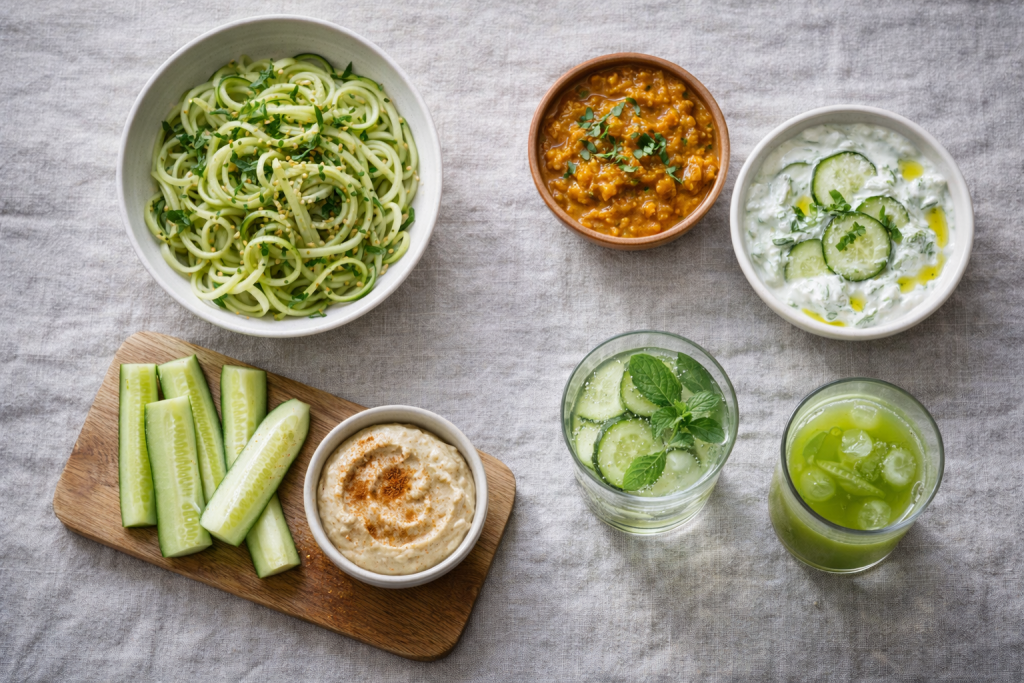
One of the things I love most about fresh Kirby cucumbers is how naturally they fit into every meal of the day. For breakfast, I layer thin slices over avocado toast with a pinch of flaky salt and red pepper flakes. I also add a small Kirby cucumber to green smoothies when I want extra hydration without sweetness. At lunch, sliced Kirby cucumbers are my go-to for grain bowls, where they add crunch alongside cooked farro, chickpeas, and a tahini-lemon dressing. They also work beautifully in plant-based sushi rolls as a filling alongside avocado and pickled ginger.
Dinners, Snacks, and Drinks
For dinner, chilled cucumber noodles tossed with sesame oil, rice vinegar, and fresh herbs are one of the quickest things I make in summer. Kirby cucumbers also pair naturally with lentil dishes: a simple raita made with plant-based yogurt, minced garlic, and sliced cucumber balances the earthiness of red lentil curry beautifully. As a snack, cucumber spears with hummus or cashew cream cheese require no cooking and take under five minutes to prepare. For drinks, cucumber-infused water is genuinely refreshing, and cold-pressed cucumber and ginger juice is one of the most hydrating options I have found for warm days.
Flavor Pairings That Work Well
Through testing different combinations, I have settled on a few pairings that consistently deliver. Dill is the classic partner and brightens the flavor without overpowering it. Sesame oil and rice vinegar create a clean, Asian-inspired profile that I use often. Mint and lime together make a cooling combination ideal for summer salads. Garlic and chili bring bold contrast that cuts through the cucumber’s natural mildness. Tahini and lemon round things out in a creamy, earthy direction. All of these pairings complement plant-based diets and require minimal additional ingredients.
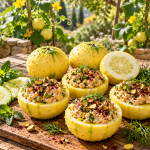
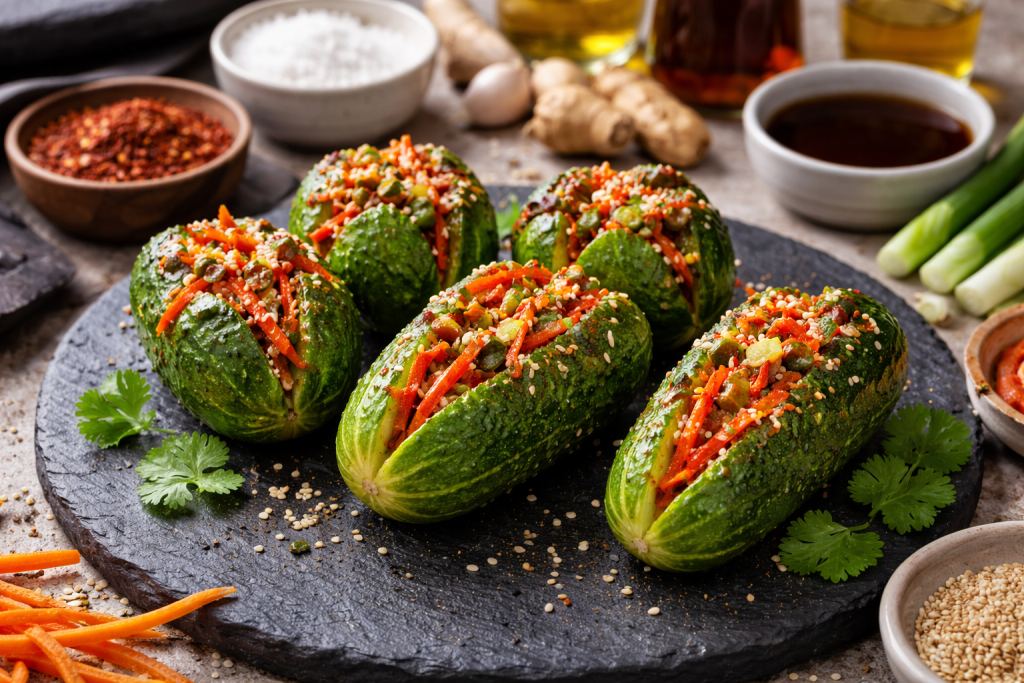
Spicy Stuffed Kirby Cucumber Kimchi
Few dishes in my plant-based kitchen come together as quickly or deliver as much flavor as this one. Smashing the cucumbers rather than slicing them creates rough, open edges that grip the dressing completely, giving you bold, savory flavor in every bite. It takes under 15 minutes from start to finish and works equally well as a side dish, a light lunch, or spooned over a bowl of fluffy quinoa.
Ingredients
- 8 Kirby cucumbers
- 1½ tablespoons sea salt (for drawing out moisture)
- 2 tablespoons gochugaru (Korean chili flakes)
- 1 tablespoon white miso paste
- 5 garlic cloves, finely minced
- 2 teaspoons fresh ginger, peeled and grated
- 1 tablespoon coconut aminos or tamari
- 1 tablespoon apple cider vinegar
- 1 teaspoon toasted sesame oil
- 1 teaspoon raw honey or date syrup
- 1 medium carrot, julienned into thin matchsticks
- 3 spring onions, cut into 1-inch pieces
- 2 teaspoons toasted sesame seeds, for finishing
- 2 tablespoons fresh cilantro leaves, for serving (optional)
Instructions
- Prepare the cucumbers. Trim the tips off all 8 cucumbers. Lay each one flat and make two deep lengthwise cuts in a cross pattern, stopping half an inch from the base so the cucumber stays in one piece.
- Salt and drain. Rub the sea salt into the cuts and all over the outside of each cucumber. Set them upright in a colander and rest for 15 minutes to draw out excess moisture.
- Make the paste. Combine the gochugaru, miso paste, garlic, ginger, coconut aminos, apple cider vinegar, sesame oil, and honey or date syrup in a bowl. Stir into a smooth paste and adjust heat or acidity to taste.
- Add the vegetables. Fold the julienned carrot and spring onion into the paste until evenly coated.
- Rinse, dry, and stuff. Rinse the cucumbers under cold water and pat dry. Pack the paste mixture firmly into the scored cuts and spread any remainder over the outside.
- Ferment or serve. To serve immediately, plate the cucumbers and top with sesame seeds and cilantro. To ferment, pack them upright into a glass jar, seal loosely, and leave at room temperature for 6 to 12 hours before refrigerating.
White miso and apple cider vinegar deepen the paste with extra probiotics and a fruitier acidity, while carrot adds beta-carotene and natural sweetness — use date syrup and coconut aminos to keep it fully vegan, and adjust gochugaru between 1 and 3 tablespoons to control the heat. This keeps well for up to 10 days in a sealed jar in the refrigerator and is best served alongside steamed rice, miso soup, or a simple tofu stir-fry.
Frequently Asked Questions
Are Kirby cucumbers the same as pickling cucumbers?
Yes, in most cases. Kirby is the most common variety sold as pickling cucumbers in the United States. The terms are often used interchangeably at grocery stores and farmers markets.
Can you eat the skin of a Kirby cucumber?
Absolutely. The skin is thin, tender, and completely edible. I always leave it on for the fiber content and the added crunch it provides.
How do Kirby cucumbers compare to English cucumbers in flavor and texture?
Kirbys are smaller, crunchier, and have a more pronounced flavor. English cucumbers are longer, smoother, and considerably milder. For cooking and pickling, I prefer Kirbys. For delicate slicing and tea sandwiches, English cucumbers work better.
Are Kirby cucumbers available year-round?
They are most plentiful from late spring through early fall, but most grocery stores carry them throughout the year. Farmers market availability is seasonal and varies by region.
Can Kirby cucumbers be cooked, or are they best eaten raw?
They can be lightly cooked, though I prefer them raw or quick-pickled to preserve their texture. If you do cook them, keep the heat brief so they retain some crunch.
How long do Kirby cucumbers last in the refrigerator?
Stored unwashed in a crisper drawer, they typically last five to seven days. Quick-pickled Kirby cucumbers, once brined, keep for up to two weeks in a sealed jar in the refrigerator.
Final Thoughts and Where to Start
There is a reason these small cucumbers are a staple at farmers markets and in the kitchens of people who cook with fresh produce daily. They are crisp, hydrating, versatile, and genuinely easy to use. Whether you are learning how to use Kirby cucumbers for the first time or adding them back into regular rotation, they reward a little attention with a lot of flavor.
From a nutritional standpoint, they deliver hydration, fiber, essential vitamins, and antioxidant compounds in a low-calorie package. From a practical standpoint, they store well, prepare quickly, and pair with dozens of plant-based ingredients already in your kitchen. The smashed cucumber salad recipe in this article is a strong starting point, but the possibilities extend much further once you are comfortable with the ingredient.
I encourage you to pick up a pound of fresh Kirby cucumbers on your next grocery run or at your local farmers market. Try them raw first to appreciate their natural crunch. Then experiment with pickling, smashing, or adding them to a dish you already make. Plant-based eating becomes more satisfying when the individual ingredients you choose are this good. At My Nutrition Foods, we believe that choosing fresh, whole produce is one of the most impactful things you can do for your health. Start with one cucumber. See where it takes you.