There is a specific kind of satisfaction that comes from biting into a cucumber you grew yourself. One that snaps cleanly, releases a faint grassy sweetness, and leaves no bitter aftertaste. I used to think that was just the luck of a good harvest day. Then I started growing muncher cucumbers and realized it was the variety all along.
These pale green cucumbers grow quickly, produce more than I can eat, and taste best straight from the garden. I still use Kirbys for pickling, but munchers are my favorite for eating fresh
Over the past few seasons, I have learned how to grow, store, and use muncher cucumbers in everything from quick pickles to spicy smashed cucumber salad. One recipe in particular has become my most-requested summer dish.
What Makes Muncher Cucumbers Different From Everything Else in the Garden
The first time I spotted muncher cucumbers at my local seed swap, I was not sure what I was looking at. The woman selling them described the variety as burpless, nearly seedless, and never bitter. I bought a packet out of curiosity.
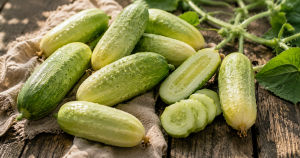
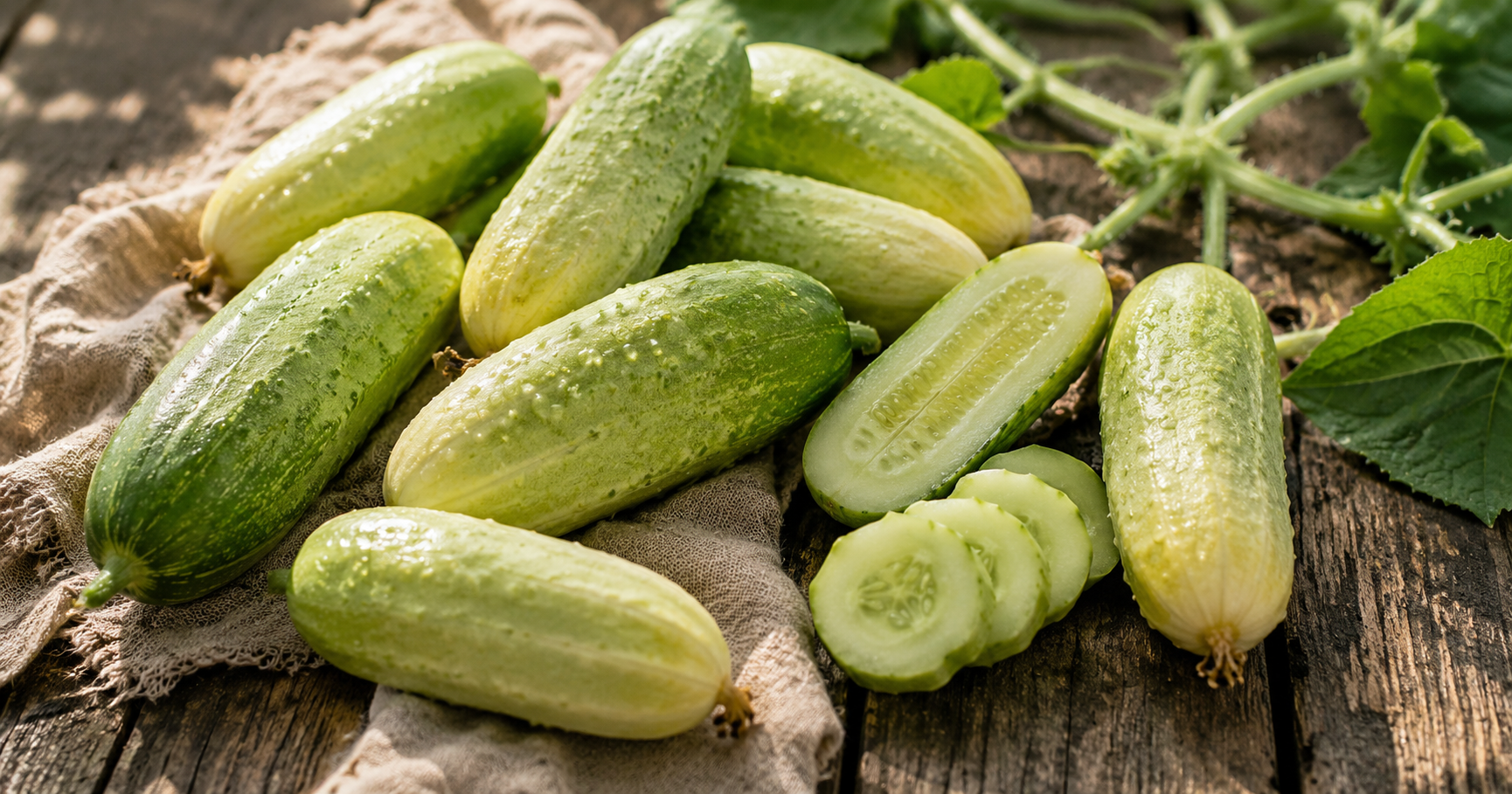
That first summer, the plants produced four to six inch cucumbers with thin, pale green skin. Inside, they were crisp and cool, with seeds so small I barely noticed them. The flavor was mildly sweet and fresh, similar to perfectly ripe fruit picked at the right moment.
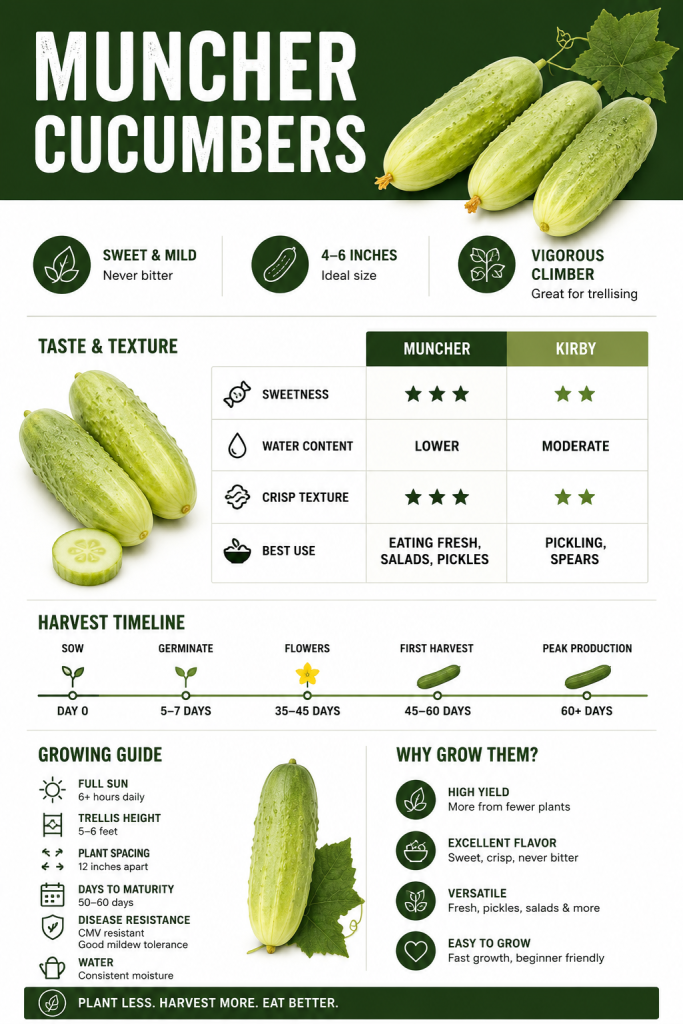
Compared to a standard slicing cucumber, they are firmer and less watery. Compared to a Kirby cucumber, they are smoother skinned and noticeably sweeter, with flesh tender enough that peeling feels unnecessary. The biggest difference, though, is the lack of bitterness. Even when left on the vine a little too long, they never developed the harsh taste common in many cucumber varieties. That alone changed how I used cucumbers in the kitchen.
The Taste Profile That Sets Them Apart
The flavor of a muncher cucumber is mild in the best possible way. There is no sharpness, no vegetal bitterness, and none of that faint soapy aftertaste that some varieties leave behind. What you get instead is clean, lightly sweet flesh with a subtle grassy note that smells almost floral the moment you cut one open. The skin is tender enough to eat without hesitation.
What makes this taste profile genuinely useful in the kitchen is its neutrality. It does not compete with bold dressings, spicy oils, or acidic vinegars, yet it never disappears into the background either. That balance is harder to find in a cucumber than you might think. Most varieties lean one way or the other, either too bland to contribute anything meaningful or bitter enough to fight with everything around them.
This one sits in the middle and cooperates. It is the kind of ingredient that makes other flavors taste more like themselves, which in cooking is one of the most valuable things anything can do.
Growing Muncher Cucumbers at Home
I direct sow my seeds about two weeks after the last frost, once the soil has warmed to at least 65°F. They need full sun, at least six hours, and I give each plant about 12 inches of spacing when growing vertically on a trellis. Growing them upright keeps the fruit clean, improves air circulation, and makes harvesting straightforward.
They germinate quickly, often within five to seven days, and grow with a kind of urgency that I still find both exciting and slightly alarming. Harvest typically begins within 50-60 days, though I have picked productive crops as early as day forty-five during particularly warm summers.
One thing worth knowing is that they are prolific in a way that catches first-time growers off guard. A single plant can produce fruit faster than one household can eat it. I now grow two plants maximum and still end up sharing bags of cucumbers with neighbors by late July.
Give Your Muncher Cucumbers Room to Climb and Thrive
Want straighter, cleaner, healthier cucumbers with bigger harvests? A sturdy vertical cucumber trellis dramatically improves airflow, keeps fruit off damp soil, and makes harvesting faster and easier. This heavy-duty garden trellis is ideal for enthusiastic cucumber growers looking to maximize garden space while producing beautiful, crisp muncher cucumbers all season long.

Panacea 83712 A-Frame Plant Supports, Green, 48″ H, Pack of 10 – Steel Folding Garden Trellises with Grid Panels for Climbing Plants, Vegetables & Vines, Powder-Coated Metal Plant Supports
- Sturdy Vertical Support – Set of 10 steel A-frame trellises, each 48″ tall, ideal for supporting climbing vegetables and vines such as cucumbers, beans, peas, and flowering plants in garden beds.
- Durable Steel Construction – Made from strong steel wire with a green powder-coated finish that resists rust and weather, ensuring long-lasting use season after season.
- Space-Saving A-Frame Design – Each trellis folds open into an A-shape to provide stable, upright growth for plants—reducing ground clutter and promoting healthier root systems.
- Integrated Grid Panels – The rectangular lattice grid on each side offers ample space for tendrils to cling and climb, guiding plants upward for efficient sunlight exposure and airflow.
One Thing I Wish I Knew Before My First Harvest
The sizing window moves faster than you would expect. A cucumber that looks small on Monday can be full sized by Wednesday. I check my vines every single day during peak season, not every other day, not every few days, but daily. Harvest muncher cucumbers while they’re firm and pale green for the best texture. If the blossom end feels soft, they’re still edible, but past their prime for eating raw.
Trellis and Support Requirements
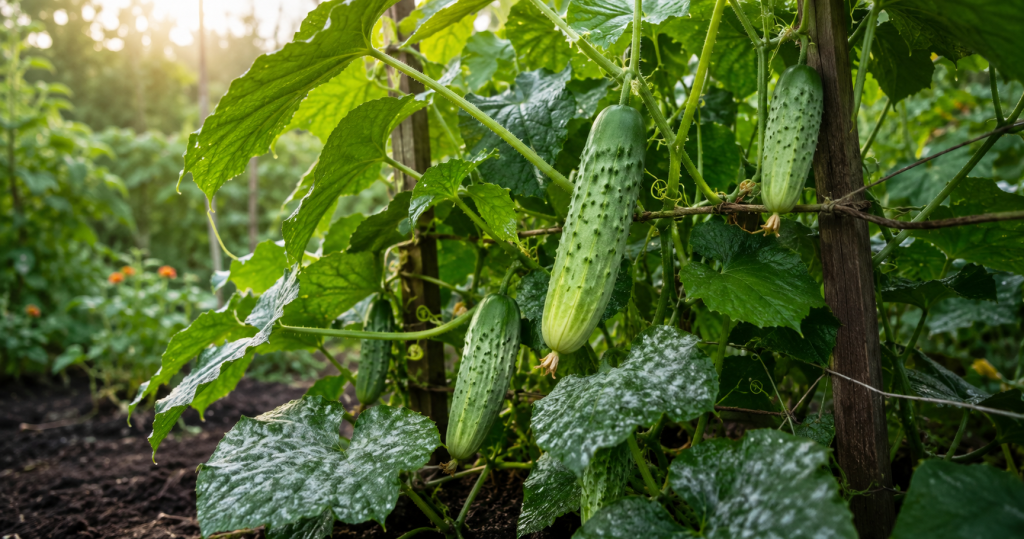
Muncher cucumbers are enthusiastic climbers and they need something solid to grab onto early. I use a vertical trellis built from wooden stakes and garden twine, with horizontal lines spaced about eight inches apart. A finished height of five to six feet handles most seasons comfortably.
The case for trellising goes well beyond saving ground space. Fruit that hangs freely develops straighter, spots more easily at harvest time, and never softens from sitting against damp soil. Air circulates freely around the foliage too, which becomes critical during stretches of humid weather when fungal problems tend to take hold.
One practical tip: guide the main stem toward the trellis when the plant is still young, around six to eight inches tall. Once it finds the support and the tendrils begin grabbing on, it climbs on its own with very little encouragement. Waiting too long often means untangling sprawling vines from the ground, which can damage stems and slow growth.
Disease Resistance and Why It Matters for Home Growers
One advantage of this variety is how well it handles common cucumber diseases. Muncher cucumbers show solid resistance to cucumber mosaic virus and good tolerance to powdery mildew, a common problem for home growers in warm, humid climates.
Powdery mildew appears as a white chalky coating on older leaves and spreads quickly when days are warm, nights are cool, and air circulation is poor. Many cucumber varieties decline rapidly once it takes hold, shortening the productive season by weeks. This variety slows that progression noticeably.
I have grown them through difficult summers with excessive humidity and inconsistent airflow, and while mildew appeared on older leaves late in the season, it never spread fast enough to threaten the harvest. For gardeners who prefer not to spray fungicide regularly, that built-in resilience is a major advantage. Less intervention means more time enjoying what the garden produces.
How to Store Them So They Stay Crisp
Because their skin is thin, muncher cucumbers are more moisture sensitive than their thick-skinned counterparts. I store them whole, unwashed, wrapped loosely in a dry paper towel and placed inside a zip close bag with a small amount of air left inside. In the crisper drawer set to low humidity, they hold well for five to seven days.
Once cut, they deteriorate a little faster than Kirby cucumbers, so plan to use a cut cucumber within two days. I keep them away from ethylene-producing fruits like apples, pears, and bananas, which accelerate softening more quickly than most people realize.
If the garden starts producing faster than I can use them, I make quick refrigerator pickles with thin slices in a simple brine of rice vinegar and salt. They keep well for up to two weeks and work especially well on sandwiches, grain bowls, and cold salads.
Muncher Cucumbers in the Kitchen and What They Are Actually Good For
Their thin skin means you go straight from garden to plate without peeling. That alone saves time, but the more meaningful advantage is textural. Muncher cucumbers are less watery, so they won’t dilute dressing or turn soggy as quickly. They stay crunchy even after 15 to 20 minutes in an acidic dressing.
They absorb marinades quickly and deeply. Bold, spicy, and acidic flavors work especially well with their mild sweetness, which naturally balances heat and vinegar. That balance is exactly what makes them ideal for the recipe coming up. I also use them in cold noodle dishes, quick relishes for grain bowls, and thin slices over avocado toast when I want extra crunch and freshness.
If you have ever made a dish with cucumbers and thought something felt a little flat or watery, switching to this variety will likely solve it.
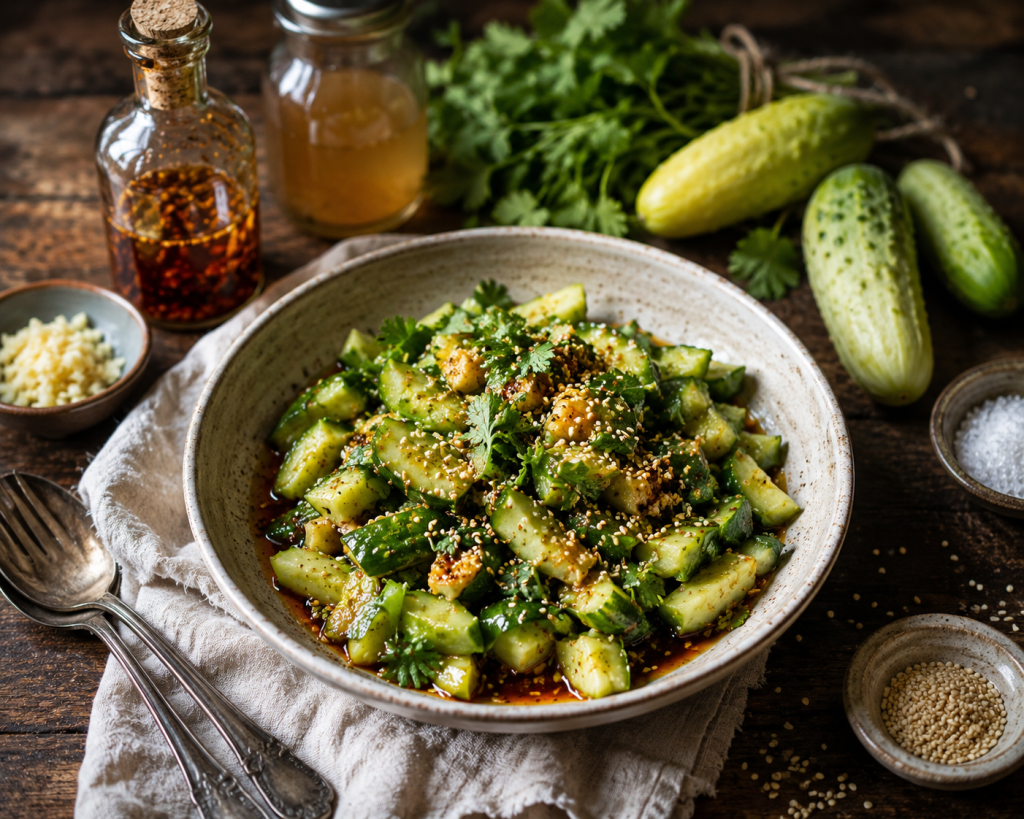
Smashed Muncher Cucumber Salad With Chili Sesame Dressing and Crispy Garlic
I first had something close to this dish at a small Sichuan restaurant where a bowl of smashed cucumbers arrived before anything else, glistening with chili oil and scattered with sesame seeds and cilantro. The entire bowl disappeared before the menu had even been discussed. That same week, a homemade version quickly became the goal in my own kitchen.
The technique is the key.
Upgrade your kitchen prep with restaurant-quality precision. This sharp Japanese Damascus steel knife slices muncher cucumbers, garlic, and herbs with control. It makes everyday prep quicker and easier.

Shun Classic 8″ Chef’s Knife
- JAPANESE CHEF KNIFE: The Shun Classic 8-inch Chef’s Knife is expertly designed for a variety of kitchen tasks, from slicing and dicing to mincing, making it an indispensable tool for any cook.
- PIONEERING EXCELLENCE: Bring home a piece of the renowned Classic Series – the original authentic Japanese cutlery line introduced to the United States. Enjoy superior craftsmanship and innovative design.
- SUPERIOR SHARPNESS: Crafted with VG-MAX steel and 68 layers of Damascus cladding, this knife delivers razor-sharp precision with a 16-degree edge, ensuring long-lasting performance.
- COMFORTABLE DESIGN: The D-shaped Pakkawood handle offers a comfortable and secure grip, providing optimal control for both left and right-handed users.
Smashing the cucumbers rather than slicing them creates jagged, irregular edges that grip the dressing in a way that clean slices never do. Every bite delivers the full flavor of the sauce rather than just what clings to a smooth surface. Minced garlic and chili oil give this cucumber salad a bold, lasting heat.
Give Smashed Cucumber Salad a Spicy, Crunchy Finish
Take your smashed cucumber salad to restaurant-level flavor. A premium Sichuan chili crisp adds smoky heat, crispy texture, deep umami richness, and authentic bold flavor that completely transforms fresh cucumbers. This gourmet chili oil collection is packed with crunchy garlic, aromatic spices, and layered heat that makes every bite unforgettable.

FLYBYJING Chili Crisp Bundle: Four Premium Chili Sauces Good on Noodles, Proteins, Veggies & Everything – Spicy, Savory, Crunchy Vegan Hot Sauces, Great Gift for Foodies 6oz (Pack of 4)
- Four 6oz jars of FLYBYJING sauces: Original, Xtra Crunchy and Xtra Spicy Sichuan Chili Crisp, plus Sweet + Spicy Sichuan Chili Sauce. This complete chili crisp set brings together a range of flavors and textures, making it easy to add bold heat and umami to everyday meals.
- Original Sichuan Chili Crisp is a crispy, savory condiment that pairs with everything. Xtra Spicy Chili Crisp adds more heat for those who prefer spicy chili crisp, while Sweet + Spicy Sichuan Chili Sauce is a sweet, savory, tangy chili sauce inspired by the dish Zhong Dumplings. – Xtra Crunchy Sichuan Chili Crisp is a nut free extra crunchy, spicy, tingy chili crisp.
- USE ON: meats, veggies, eggs, rice bowls, dumplings, pizza, salads, noodles, fish, seafoods, or like any hot sauce. Craft new dishes, give leftovers new life, add flavor to bland food, elevate weekly meal prep, make a spicy marinade and even spicy mayo or salad dressing. You will find yourself putting our sauces on everything! Perfect if you love spicy asian sauces like sriracha, chili paste and sambal oelek plus the umami of soy sauce, xo sauce, fish sauce, oyster sauce or teriyaki sauce.
- “Your home cooking needs chili crisp” – NY TIMES FLYBYJING has been featured in FOOD & WINE, ESQUIRE, SAVEUR, EATER, FORBES, AND MORE. Made with fragrant Erjingtio Chili Peppers, a tingly Sichuan Peppercorn variety known as “Tribute Peppers”, Non-GMO cold pressed oil, crunchy garlic and shallots, and a blend of spices provide a hot, crispy, umami packed flavor. Heirloom ingredients only found in Sichuan to create nuanced, deep bold flavor. Mix well before use for optimal consistency.
Ingredients
- 4 to 5 muncher cucumbers (about 500g), unpeeled
- 1 tsp kosher salt
- 3 tbsp chili oil, preferably with crispy sediment
- 1½ tbsp apple cider vinegar
- 1 tbsp toasted sesame oil
- 1 tsp honey
- 1 tbsp light soy sauce
- 4 garlic cloves, minced to a near paste
- 1 tsp toasted sesame seeds
- Large handful of fresh cilantro, roughly torn
- Optional: thinly sliced scallions or a pinch of Sichuan pepper
Instructions
- Trim the ends off each cucumber. Lay them on a cutting board and smash firmly with the flat side of a wide knife or a rolling pin until they crack open. Tear them by hand into rough two inch chunks. No two pieces need to look the same.
- Toss the smashed pieces with kosher salt in a colander. Let them drain for 10 minutes, then pat thoroughly dry with paper towels. Do not skip this step. It draws out excess water and concentrates the cucumber’s natural flavor so the dressing does not get diluted.
- In a small bowl, whisk together the chili oil, apple cider vinegar, sesame oil, honey, and soy sauce until fully combined.
- Add the minced garlic to the dressing and let it sit for two minutes. The residual warmth from the sesame oil takes the raw edge off the garlic without cooking it completely.
- Place the cucumber pieces in a wide serving bowl. Pour the dressing over them and toss well, making sure every jagged edge gets coated.
- Top with toasted sesame seeds and torn cilantro. Serve immediately for maximum crunch, or let it rest five minutes if you want the flavors to deepen slightly.
From the First Bite to the Last Leftover
The first time you taste this, the cold crunch of the cucumber against the warmth of the chili oil is genuinely surprising. The garlic blooms the moment it hits the dressing, and the cilantro cuts through the richness just enough to keep the whole thing feeling fresh. Leftovers the next day are softer but still excellent, arguably better if you like a more marinated texture. I have made this for dinner parties, for lazy weeknight meals, and once for a neighbor who showed up unannounced and left with the recipe written on a napkin.
What I Have Learned From Growing and Eating Them
Growing muncher cucumbers changed how I use cucumbers in the kitchen. Instead of adding a few slices to salads, I started building dishes around them, from smashed cucumber salad and quick pickles to cold noodles and chilled soups. A single plant produces so heavily that it quickly pushes you to get creative.
Their biggest strength is how well they hold up in different dishes. Their firm texture and lower water content make them more versatile than standard cucumbers. They stay crisp in bold dressings, hold their texture after salting, and work especially well in recipes with strong flavors.
If you have never grown muncher cucumbers before, they are worth trying. The plants are productive, easy to grow, and quick to harvest. When that first batch is ready, skip the plain cucumber salad and make the smashed version with chili oil and garlic instead.
If you enjoy cooking with cucumbers, my guide on Kirby cucumbers is a good next read. It covers everything from nutrition to a spicy stuffed kimchi recipe.