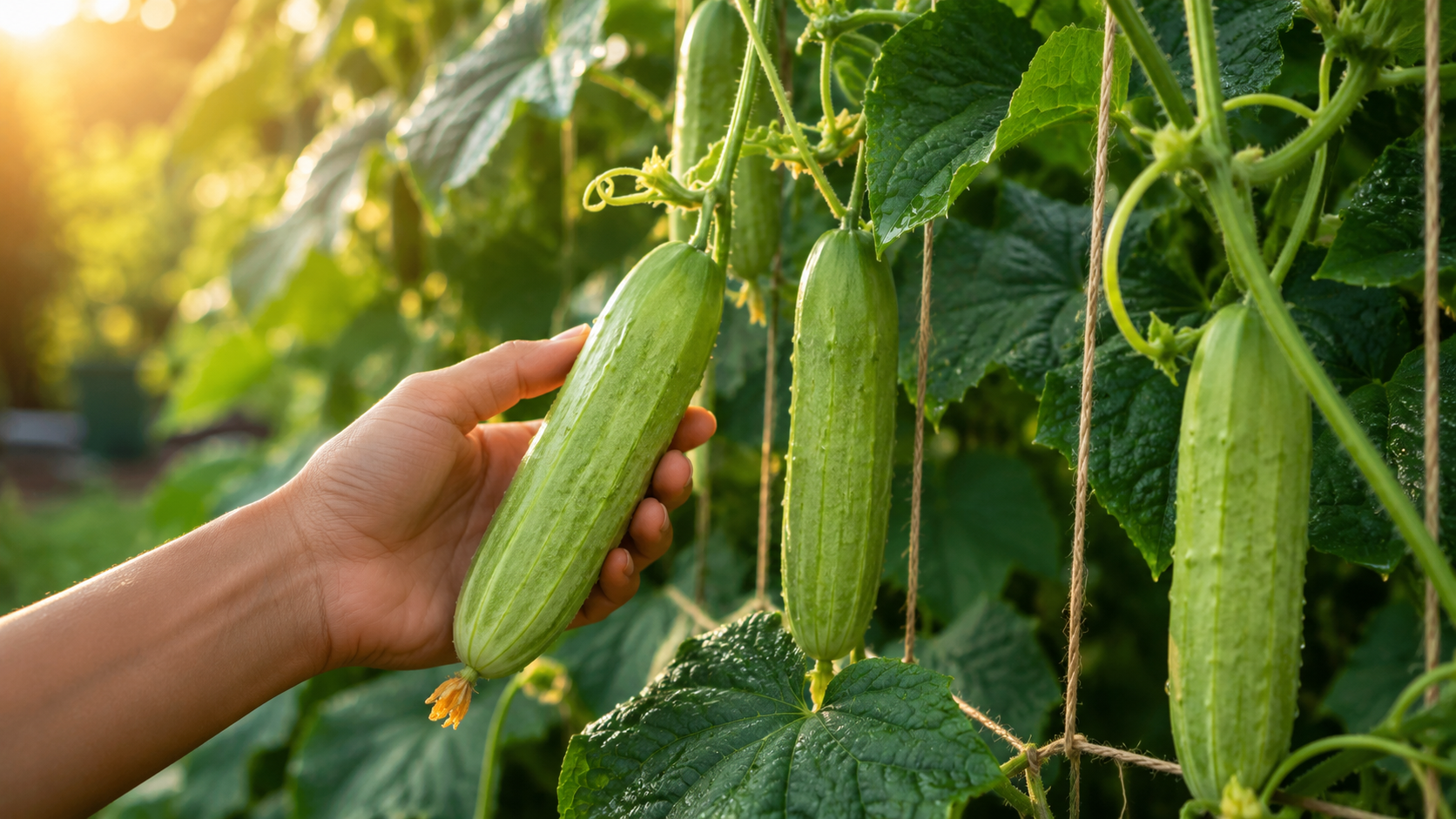
I was standing in the garden on a warm morning, dew still clinging to the leaves, when I pulled a pale green cucumber straight off the vine and bit into it without washing it or slicing it first. No bitterness. No sharp aftertaste. And later that afternoon, nothing that reminded me I had eaten it at all. That was the moment burpless cucumbers stopped being a label on a seed packet and became something I actually understood. This article covers what sets them apart from standard slicing cucumbers, which varieties fall under the name, how I grow them season after season, and a recipe that goes well past the usual cucumber salad.
What Are Burpless Cucumbers?
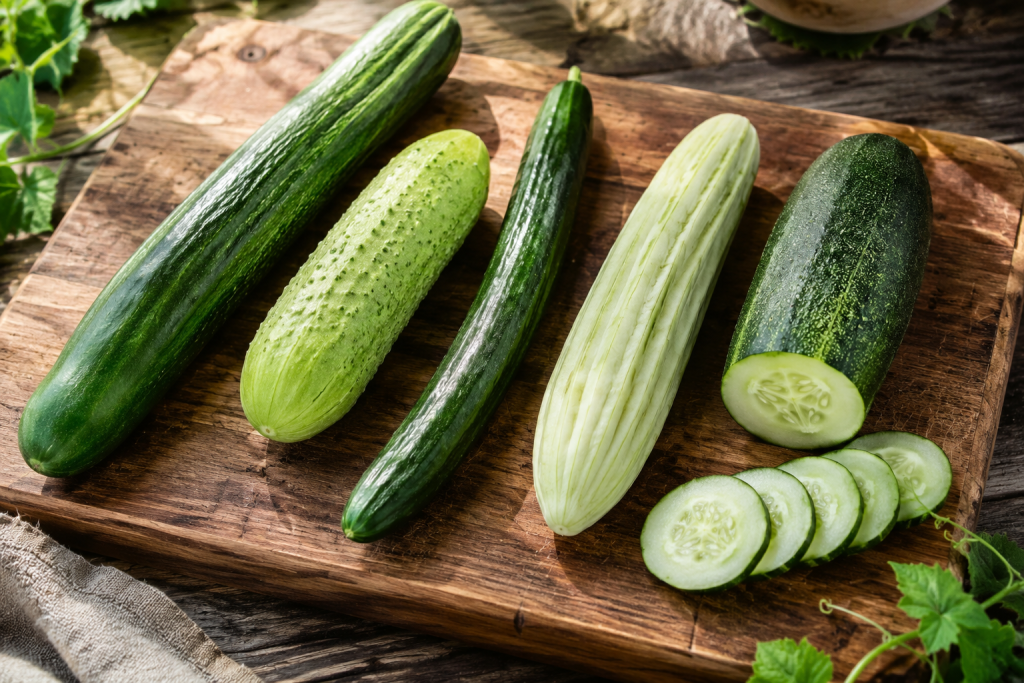
The name sounds almost like marketing, but there is real science behind it. Cucumbers naturally produce a compound called cucurbitacin, which gives certain fruits their bitter edge and, for some people, the bloated feeling that follows eating them raw. Standard slicing cucumbers carry more of it. Varieties bred and selected for lower cucurbitacin levels, including English, muncher, Japanese, and Armenian types, earned the informal name burpless because they tend to sit easier in the stomach.
Thin skin plays a role too. These varieties are usually grown without the thick, waxy peel found on grocery store cucumbers, and that thinner skin carries less of the bitter compound near the surface. The result is a milder, sweeter bite that I noticed the very first summer I grew them instead of the standard slicing type from the hardware store.
The Science Behind the Comfort
Cucurbitacin is a defense compound. The plant produces it naturally to discourage pests from eating the fruit before it ripens. Over generations, plant breeders selected seeds from cucumbers with less of it, which is how burpless varieties came to exist in the first place.
What surprised me is that this trait is not fixed. Stress conditions such as inconsistent watering or a stretch of extreme heat can temporarily raise cucurbitacin levels, even in a variety bred to be low in it. I learned this the hard way one August, a lesson that cost me an entire week of harvest.
The Best Burpless Cucumbers for Home Gardens
After growing several burpless cucumber varieties over the years, Muncher has remained my favorite. It handles changing weather remarkably well, produces a steady harvest from early summer through late summer, and consistently delivers crisp, mild-flavored cucumbers with very little bitterness. Even when my watering schedule hasn’t been perfect, it has proven to be forgiving and dependable. If you’re new to growing burpless cucumbers, Muncher is the variety I recommend because it’s productive, resilient, and rewarding to grow.
How to Grow Burpless Cucumbers at Home
Soil temperature matters more than most gardeners expect. I wait until the soil reaches at least 65°F (18°C) before sowing because seeds planted too early often struggle to germinate or rot in cold soil. Full sun is non-negotiable, with at least six hours of direct sunlight each day for healthy growth and reliable production.
Consistent watering is just as important because water stress can increase cucurbitacin, the compound responsible for bitterness. Uneven watering, especially after a prolonged dry spell followed by heavy soaking, can affect both flavor and fruit quality. Germination usually takes five to ten days, and most burpless varieties are ready to harvest in 55 to 65 days, depending on the cultivar.
One lesson I’ve learned over several growing seasons is that burpless cucumbers perform best when the soil stays evenly moist. Instead of watering heavily on a fixed schedule, I check the soil regularly and water when needed. That simple habit has rewarded me with healthier plants, better-tasting cucumbers, and a more consistent harvest.
A Costly Watering Mistake
The August I mentioned earlier taught me this lesson the hard way. A two-week stretch of high heat hit right as my cucumbers were sizing up, and I fell behind on watering, checking the bed only every few days instead of daily. When I finally caught up, I gave the plants a heavy soaking all at once rather than returning to a steady rhythm.
The damage was already done. The next batch of cucumbers I picked had a sharp, bitter edge I hadn’t tasted since my first year growing the standard slicing type. A few were even bitter enough that I ended up composting them instead of eating them. It took nearly two weeks of consistent, even watering before the harvest tasted normal again.
That season changed how I think about watering entirely. Now I check the soil by hand most mornings rather than relying on a schedule, and I’ve never had a repeat of that bitter batch since. It’s also part of why I started experimenting with growing bush cucumbers, since they tend to be more forgiving when watering isn’t perfectly consistent.
Trellis Setup and Vertical Growing Tips
English and muncher types in particular perform better when trained upward instead of left to sprawl across the ground. I build my trellis five to six feet tall, with horizontal support lines spaced about eight inches apart so the tendrils have something to grip early on. Once the main stem reaches about a foot tall, I start gently guiding it toward the trellis rather than waiting for it to find its own way.
Growing vertically keeps the fruit straighter, cleaner, and easier to spot at harvest time, since nothing is hiding under a mat of leaves at ground level. If you wait too long to trellis a sprawling vine, do not try to force it upright all at once. Gradually redirect the main stem over several days, securing it loosely as you go, and the plant will recover without much stress at all.
If you’re serious about growing healthier, straighter, and more productive burpless cucumbers, investing in a sturdy garden trellis is one of the smartest upgrades you can make. A quality cedar trellis improves airflow, keeps cucumbers cleaner, reduces disease pressure, and makes harvesting far easier. It’s a long-lasting investment that can improve your cucumber harvest season after season.

Rosewood 47″W x 89″H Cedar Arbor
- Material: Cedar
- Lattice detail to support your climbing plants and flowers
- Color: Golden Brown
- 1-year warranty against material defects
Harvesting and Storing Them Correctly
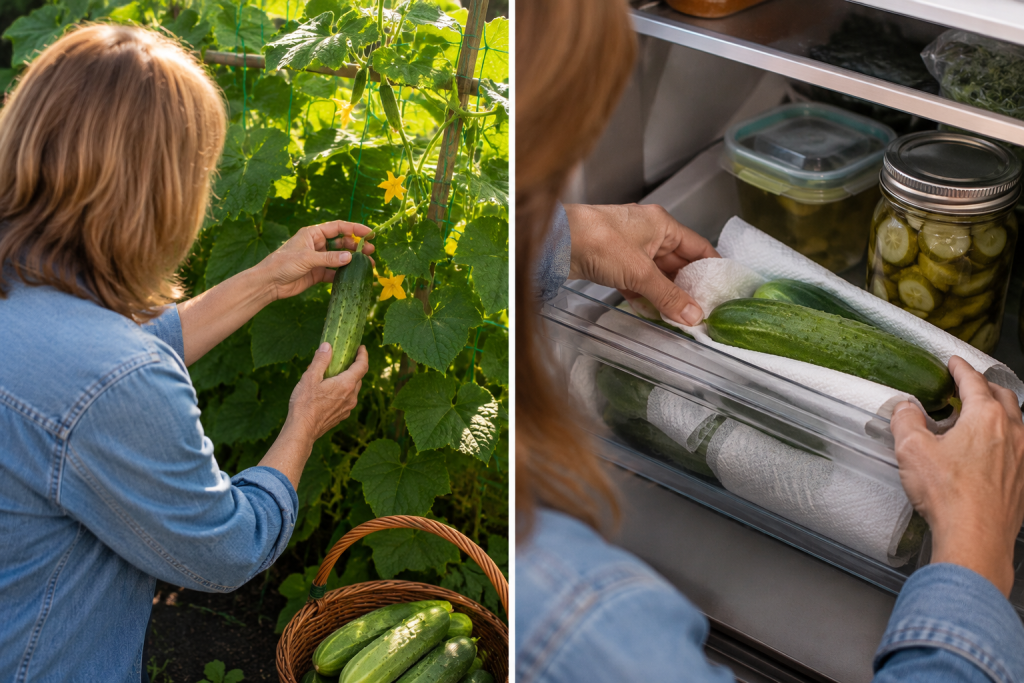
These cucumbers move from perfect to overripe faster than most gardeners expect, so the harvest window is narrower than it looks. I check daily once fruit starts forming, looking for a firm feel and consistent color with no yellowing at the blossom end. Picking slightly on the early side almost always produces better texture than waiting for maximum size.
For storage, I keep them whole and unwashed, wrapped loosely in a paper towel, in the crisper drawer. Handled that way, they realistically hold up for five to seven days before quality drops. When I end up with more than I can eat fresh, a quick refrigerator pickle using vinegar, salt, and a little sugar takes care of the surplus without any canning equipment involved.
In the Kitchen
One of the things I enjoy most about burpless cucumbers is how easy they are to prepare. Their thin, tender skin rarely needs peeling, and their mild flavor works well in both simple and more adventurous recipes. They stay crisp in fresh dishes and pair beautifully with citrus, herbs, and lightly spiced dressings.
While they’re delicious in salads, I also use them in cold noodle bowls, quick refrigerator pickles, grain bowls, and chilled soups during the warmer months. One of my favorite ways to enjoy an abundant harvest is the refreshing soup recipe below.
Create Perfectly Smooth Burpless Cucumber Soup Every Time
One kitchen appliance I never regret investing in is a high-performance blender. Whether you’re making this chilled burpless cucumber soup, creamy green smoothies, healthy sauces, or fresh salad dressings, a premium blender delivers an incredibly smooth texture that simply isn’t possible with cheaper machines. If you enjoy cooking with fresh garden vegetables, this is one appliance you’ll use almost every day.

Vitamix Ascent X4 Blender with Five Blending Programs, Self-Cleaning Program, Professional-Grade Blender for Smoothies, Soups & More, Stainless-Steel Blades, 48 Oz Container, Brushed Stainless
- Included: Ascent X4 blender motor base, 48-ounce container, S2 low-profile tamper, tamper holder, and recipe book; this kitchen blender container allows for small- to medium-capacity blends
- Five Blending Programs: Five automatic Blending Programs for Smoothies, Frozen Desserts, Soups, Frozen Cocktails, and Dips & Spreads ensure consistent results; achieve precise textures with variable speed settings and a Pulse Function for ice crushing
- Self-Cleaning Program: Just add warm water, a drop of dish soap, and run the Self-Cleaning Program; the blender will clean itself in 60 seconds or less
- Premium Blending: Intuitive touch button controls on this countertop blender offer easy operation, plus the digital timer removes the guesswork with recipes you process manually
Chilled Burpless Cucumber Soup With Coconut Milk, Fresh Ginger, and Toasted Cumin
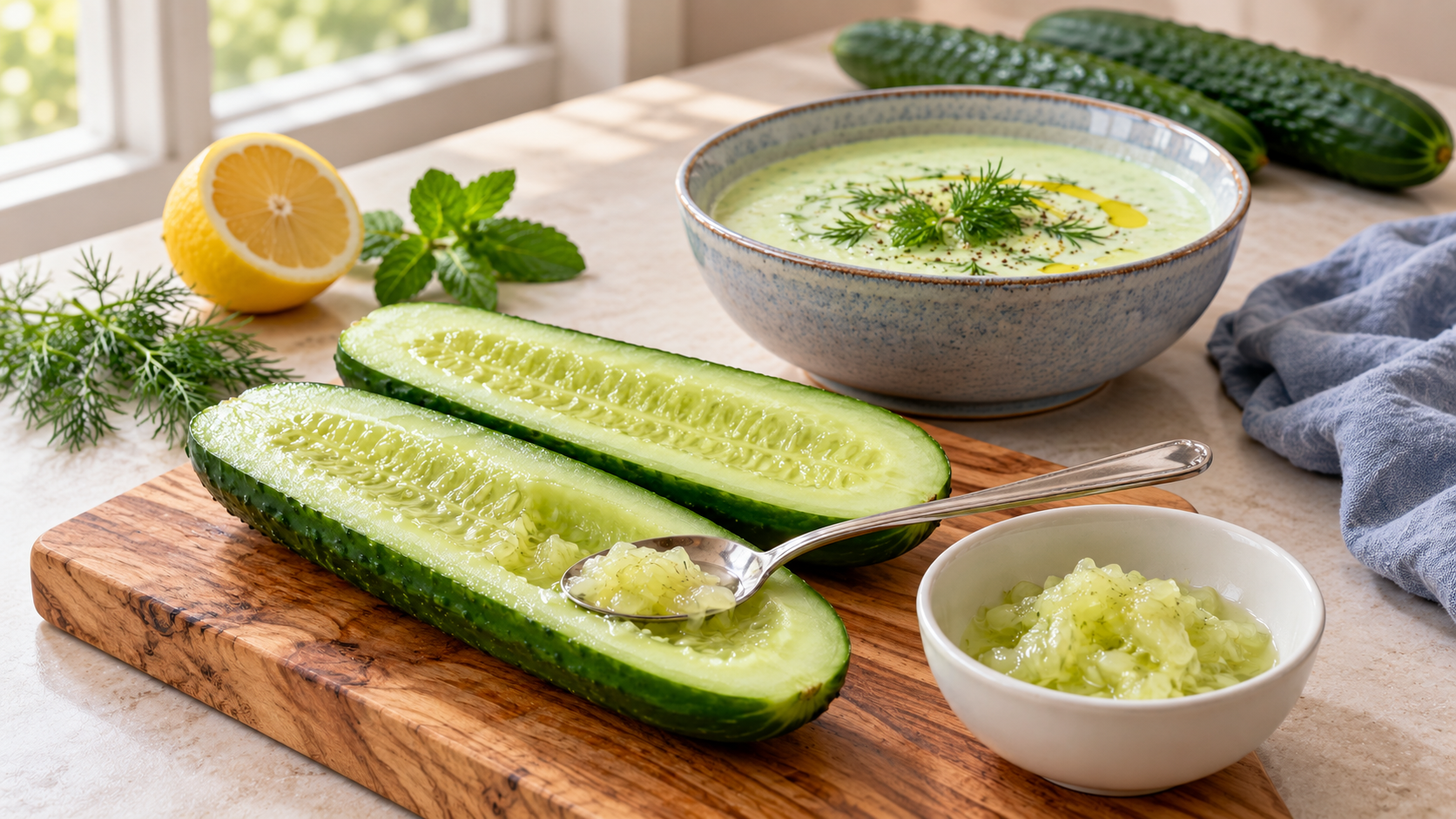
One summer, I found myself with more burpless cucumbers than I could use in salads. Instead of letting them go to waste, I blended them with creamy coconut milk, fresh ginger, and toasted cumin. The result was a light, refreshing soup that has become one of my favorite warm-weather meals. Unlike traditional gazpacho, this recipe lets the mild, fresh flavor of burpless cucumbers take center stage.
Ingredients:
- 3 large burpless cucumbers (about 700g), unpeeled and roughly chopped
- 1 can (400ml) full fat coconut milk, chilled
- 1 inch piece of fresh ginger, peeled and grated
- 2 garlic cloves, roughly chopped
- 3 tbsp fresh lime juice (about 2 limes)
- 1 tsp ground cumin, toasted in a dry pan for 30 seconds
- 1 tsp sea salt
- Small handful of fresh mint leaves
- Small handful of fresh cilantro
- 2 tbsp extra virgin olive oil, for finishing
- Optional: thin cucumber ribbons and a pinch of chili flakes for garnish
Instructions:
- Add the chopped cucumber, coconut milk, ginger, garlic, lime juice, toasted cumin, salt, mint, and cilantro to a blender. Blend on high for 60 seconds until completely smooth.
- Taste and adjust salt and lime juice. If the soup feels too thick, add two to three tablespoons of cold water and blend again for ten seconds.
- Pour through a fine mesh strainer if you prefer a very smooth texture, or serve as is for a slightly more rustic finish.
- Transfer to a covered bowl or jar and refrigerate for at least 30 minutes. The flavor deepens significantly as it chills.
- Serve in chilled bowls. Finish with a drizzle of olive oil, thin cucumber ribbons, a few fresh cilantro leaves, and a pinch of chili flakes if using.
Serve the soup well chilled for the best flavor. The cool cucumber pairs beautifully with the gentle warmth of fresh ginger, while the toasted cumin adds subtle depth without overpowering the other ingredients. It makes a refreshing starter or a light lunch on a warm day. Leftovers keep well in the refrigerator for up to two days, and I think the flavors are even better the next day.
Serve Your Homemade Burpless Cucumber Soup in Style
Fresh garden recipes deserve beautiful presentation. These premium stoneware soup bowls keep chilled soups cooler for longer while adding an elegant touch to lunch, dinner, or entertaining guests. They’re durable, timeless, and perfect for serving everything from burpless cucumber soup to hearty homemade stews throughout the year.

Le Creuset Stoneware Set of 4 Soup Bowls, 22 oz. (6.25″) each, Marseille
- Premium stoneware is designed for everyday use
- Colorful glaze is non-porous, non-reactive, scratch-resistant, and resists stains and flavor absorption
- Virtually nonstick interiors easily release food for quick clean-up, and resist cracking and crazing
- Superior heat retention keeps food warm or cold for serving
What a Full Season Taught Me About Burpless Cucumbers
What surprised me most was how burpless cucumbers changed not only what I grew, but also the way I cooked. Family members who once avoided raw cucumbers started asking when the next harvest would be ready, and I found myself using them in everything from chilled soups to grain bowls instead of treating them as a simple garnish.
Today, burpless cucumbers are one of the first crops I plan for each spring because they’ve earned a permanent place in my garden. If you’ve only grown traditional slicing cucumbers, I encourage you to try a burpless variety next season. I think you’ll notice the difference from the very first bite, just as I did on that warm morning in the garden.

Frequently Asked Questions
Are burpless cucumbers the same as English cucumbers?
Not exactly. English cucumbers are one specific variety within the broader burpless category, which also includes muncher, Japanese, and Armenian types.
Do burpless cucumbers need to be peeled?
No. Their thin skin is tender enough to eat raw and adds very little bitterness compared to standard slicing cucumbers.
Are burpless cucumbers genetically modified?
No. The lower cucurbitacin levels come from generations of traditional plant breeding and seed selection, not genetic modification. Most seed packets labeled burpless are simply the product of growers selecting for milder, less bitter fruit over time.
Can burpless cucumbers be grown in containers?
Yes, especially compact types like muncher. A container at least five gallons in size, paired with a small trellis pushed into the pot, gives the vines enough room to climb and still produces a solid harvest on a patio or balcony.
Where I Land On This Cucumber
If there is one thing worth taking away from all of this, it is that a single seed choice can quietly change how much you enjoy a vegetable you already thought you knew. I did not expect a milder cucumber to matter this much, but between the easier digestion, the sweeter flavor, and a soup I now make on repeat every summer, it has earned a permanent spot in my garden plan. Start with one plant, one trellis, and a little patience with the watering schedule, and you will likely find yourself planning next season around it too.