The first time I spotted lemon cucumbers at a weekend farmers’ market, I honestly thought a vendor had mixed a crate of pale lemons in with the round zucchini. They were round, butter-yellow, and about the size of a tennis ball. The farmer laughed, sliced one open, and handed me a wedge. It was cool, crisp, and sweeter than any cucumber I had ever bought at the grocery store.
That single bite changed how I shop for summer produce. I’ve since grown them for three seasons, served them to skeptical family members and relatives, and worked them into weeknight meals far more often than I expected. In this article, I’ll share what makes this heirloom different, what the nutrition research says, how I choose and store them, and the growing tips I learned the hard way. I’ll finish with my favorite recipe: crunchy cucumber cups filled with a herby chickpea mash.
What Lemon Cucumbers Actually Are
Despite the name, this is not a citrus hybrid or a cross between a lemon and a cucumber. It’s a true cucumber (Cucumis sativus), the same species as the long green slicers in your crisper drawer. The name comes purely from its shape and color.
It’s an heirloom variety, which means gardeners have saved and passed down its seeds for generations rather than breeding it for uniform supermarket shipping. Seed catalogs commonly date its arrival in American gardens to the late 1800s, and home growers have kept it alive ever since.
The fruit starts out pale green, turns soft yellow as it matures, and has thin skin dotted with tiny, harmless prickles that brush off easily. Inside, the flesh is white and juicy, with a ring of small, tender seeds.
Because the skin bruises easily and the fruit doesn’t travel well, you’re far more likely to find these at farmers’ markets, in CSA boxes, and at specialty grocers than in a standard supermarket. That scarcity is part of the charm for me. When I see them, I buy them.
A Milder, Sweeter Crunch
The flavor is the reason I keep coming back. Compared with a typical slicing cucumber, this variety tastes gentler and slightly sweet, with a clean, almost melon-like finish. It doesn’t taste like lemon at all, which surprises nearly everyone I serve it to.
The texture stands out too. The skin is thin enough that I rarely peel it, and the flesh stays crisp rather than watery, so it holds up well in salads, on snack boards, and in quick pickles.
Bitterness in cucumbers comes from natural compounds called cucurbitacins, which tend to build up when plants are stressed by heat or uneven watering. In my experience, these round cucumbers rarely turn bitter, though a long, hot, dry stretch can still affect any cucumber plant.
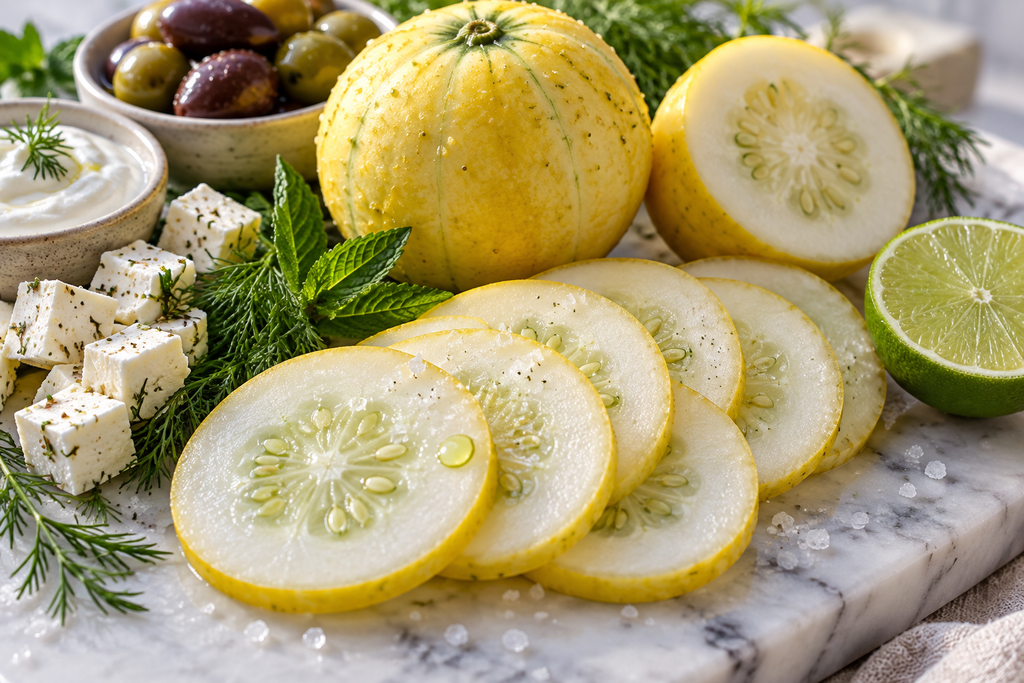
My kids, who pick cucumbers out of every salad, eat these sliced into rounds like chips. I’ve also found they pair beautifully with salty and tangy flavors: vegan cheese, olives, yogurt, vinegar, and fresh herbs like dill and mint. A pinch of flaky salt and a squeeze of lime turns them into a two-minute snack.
Nutrition at a Glance
Nutrition data for this specific variety is limited, so I rely on USDA figures for raw cucumbers with the peel. They’re a reasonable stand-in, since both belong to the same species.
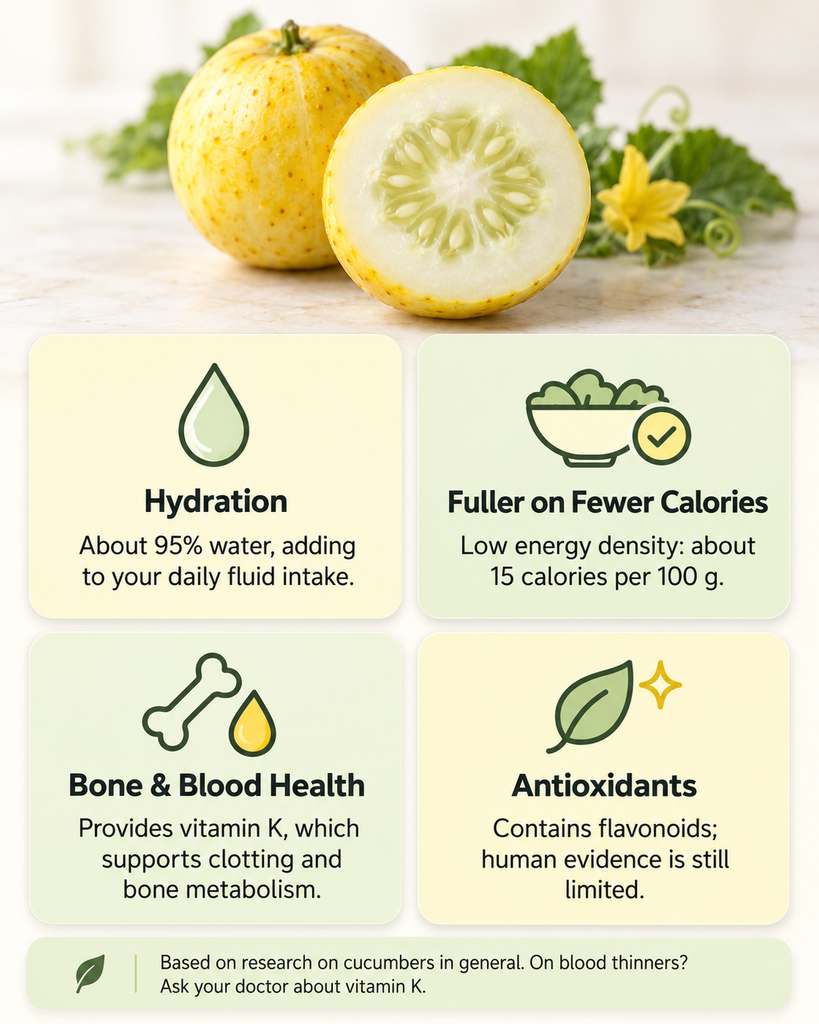
Per 100 grams, roughly one small fruit, cucumbers provide about 15 calories and are around 95 percent water. They also offer about 16 micrograms of vitamin K (roughly 14 percent of the Daily Value), smaller amounts of vitamin C, potassium, and magnesium, and about half a gram of fiber.
Those numbers won’t win any superfood contests, and I don’t think they need to. The real value is volume and freshness. You can eat a generous portion for very few calories, and the high water content adds to your daily fluid intake.
One practical tip: keep the skin on. Much of a cucumber’s fiber and many of its plant compounds sit in or just beneath the peel. Since the skin on lemon cucumbers is so thin and tender, there’s no reason to remove it after a good rinse.
What the Research Suggests About Health Benefits
I want to be careful here, because cucumbers are often oversold online. There’s very little research on this particular heirloom, so the benefits below reflect what we know about cucumbers and similar watery vegetables in general.
Hydration. Most of us get a meaningful share of our daily water from food. Watery produce contributes to that total, which I find especially helpful on hot days when I forget to refill my bottle.
Feeling full on fewer calories. Foods with low energy density, meaning few calories per bite, can help you feel satisfied while eating less overall. Adding crunchy vegetables to meals is an easy way to put that principle to work.
Bone and blood health. Vitamin K plays a role in normal blood clotting and bone metabolism. If you take a blood thinner such as warfarin, talk with your doctor about keeping your vitamin K intake consistent.
Antioxidants. Cucumbers contain flavonoids and other plant compounds that show antioxidant activity in lab studies. Human evidence is still limited, so I treat this as a bonus rather than a reason to eat them.
Picking Ripe Lemon Cucumbers at the Market
Color is your best guide. I look for fruit that’s pale yellow with a faint hint of green, about 2 to 3 inches across. At this stage, the skin is tender, the seeds are small, and the flavor is at its sweetest.
Skip fruit that has turned deep gold or orange-yellow. That usually means it stayed on the vine too long. Overripe ones develop tougher skin, large hard seeds, and a flat, sometimes sour taste. I learned this during my first growing season, when I left a batch a week too long and ended up composting most of it.
The fruit should feel firm and heavy for its size, with no soft spots, wrinkles, or shriveled ends. A few surface prickles are normal and actually a sign of freshness.
If you’re buying from a grower, ask when they were picked. I’ve had the best luck with fruit harvested within a day or two, because the crisp texture fades faster than it does in thicker-skinned varieties.
Storing and Prepping Them
Thin skin means a shorter shelf life, so I plan to use mine within four or five days. I store them unwashed, wrapped loosely in a dry paper towel, inside a breathable produce bag in the crisper drawer. Washing before storage adds moisture that speeds up spoilage.
Cucumbers are sensitive to very cold temperatures. Left at the back of a chilly refrigerator, they can develop watery, pitted spots. I also keep them away from bananas, tomatoes, and melons, which release ethylene gas that makes cucumbers yellow and soften faster.
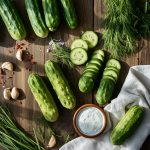
Prep is simple. I rinse them under cool water, rub off any prickles with a clean towel, and trim a thin slice from the blossom end, which can occasionally taste bitter.
From there, the round shape opens up options that long cucumbers don’t. Because lemon cucumbers are nearly spherical, I slice them into neat coins for snack plates, cut them into wedges like an apple, or halve them and scoop out the seeds to make edible cups. That last trick is the basis for the recipe below.
Growing Lemon Cucumbers in a Small Garden
I’m not an expert gardener, and this is still one of the most forgiving crops I’ve grown. Its vigor is likely one reason it has survived as an heirloom for well over a century.
Timing matters most. Cucumbers hate the cold, so I wait until after my last frost date, when the soil has warmed to at least 65°F, before sowing seeds directly into the bed. Starting them indoors works too, but the seedlings dislike having their roots disturbed during transplanting.
Give the plants full sun, at least six to eight hours a day, and something to climb. I use a simple cattle-panel trellis. Growing vertically keeps the fruit clean, improves airflow around the leaves, and makes the little yellow globes easy to spot.
Give Your Lemon Cucumbers Room To Climb
Want cleaner fruit, better airflow, and an easier harvest? A sturdy cucumber trellis for climbing plants can make a huge difference in a small garden. The GIANTEX A-Frame Cucumber Trellis gives vigorous cucumber vines plenty of vertical support while helping keep your lemon cucumbers off the ground, easier to spot, and simpler to harvest.

GIANTEX 4 Panels Cucumber Trellis, A-Frame Garden Trellis
- The cucumber trellis is constructed of rustproof and peel-resistant steel wires, providing strong support for plants to grow better, hold plants in a graceful shape, and prevent flopping. Besides, there exist 8 ground stakes for fixation.
- The garden cucumber trellis includes 8 trellises that can be freely combined into a rectangular-shaped climbing frame or an A-shaped climbing frame. And you can easily change shapes by rotating spring connectors and buckles. The large plant support can provide ideal grow support for different climbing plants, such as fruits, vegetables, flowers, Virginia Creeper, and more.
- The trellis rack can better increase air circulation and make plants absorb more sunlight. It also includes complete accessories to help plant: 9 big clips, 9 small clips, 8 ground stakes, 4 spiral connectors, 12 cable ties, and a garden twist tie.
- There exist step-by-step instructions and an ️assembly video️ to help you set up the trellis easily and quickly.
Watering and Harvest Timing
Consistent watering is the secret to sweet, crisp fruit. I aim for about an inch of water a week, delivered at the base of the plant in the morning, with a layer of straw mulch to hold in moisture. Irregular watering stresses the vines and invites bitterness.
Expect your first harvest roughly 60 to 70 days after sowing. Once lemon cucumbers start coming in, pick every day or two. Frequent picking encourages the vines to keep producing well into late summer, and it keeps any fruit from slipping past its prime.
Turn Your Garden Harvest Into Something Delicious
When the garden starts overflowing with fresh produce, a premium food-prep system makes it so much easier to turn that harvest into healthy homemade meals. The Vitamix Ascent X4 Gourmet SmartPrep Kitchen System combines professional-grade blending with versatile food-prep capabilities—ideal for fresh dips, dressings, sauces, soups, plant-based recipes, and plenty more from the garden.

Vitamix Ascent X4 Gourmet SmartPrep Kitchen System, White
- Included: Ascent X4 blender base, 48-ounce container, tamper and holder, recipe book, 12-cup Food Processor Attachment with SELF-DETECT base, Stack/Store Extender, 2 food pushers, multi-use blade, 2 slice/shred discs, julienne disc, veggie stick disc
- Five Blending Programs + Self-Cleaning: Five automatic Blending Programs for Smoothies, Frozen Desserts, Soups, Frozen Cocktails, and Dips & Spreads; achieve precise textures with variable speed settings and Pulse Function; with Self-Cleaning Program
- Premium Blending Features: With intuitive touch button controls, digital timer, and on-screen indicator to let you know when to use the tamper to keep thicker blends moving; 15-second extension button adds time when a blend needs a little longer to complete
- Pair with SELF-DETECT Containers: Build a customized blending system with additional containers and attachments; using this wireless technology, your blender base will recognize the container or attachment and automatically adjust settings and blend times
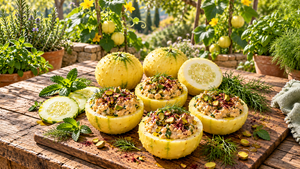
My Recipe: Herbed Chickpea and Pistachio Cucumber Cups
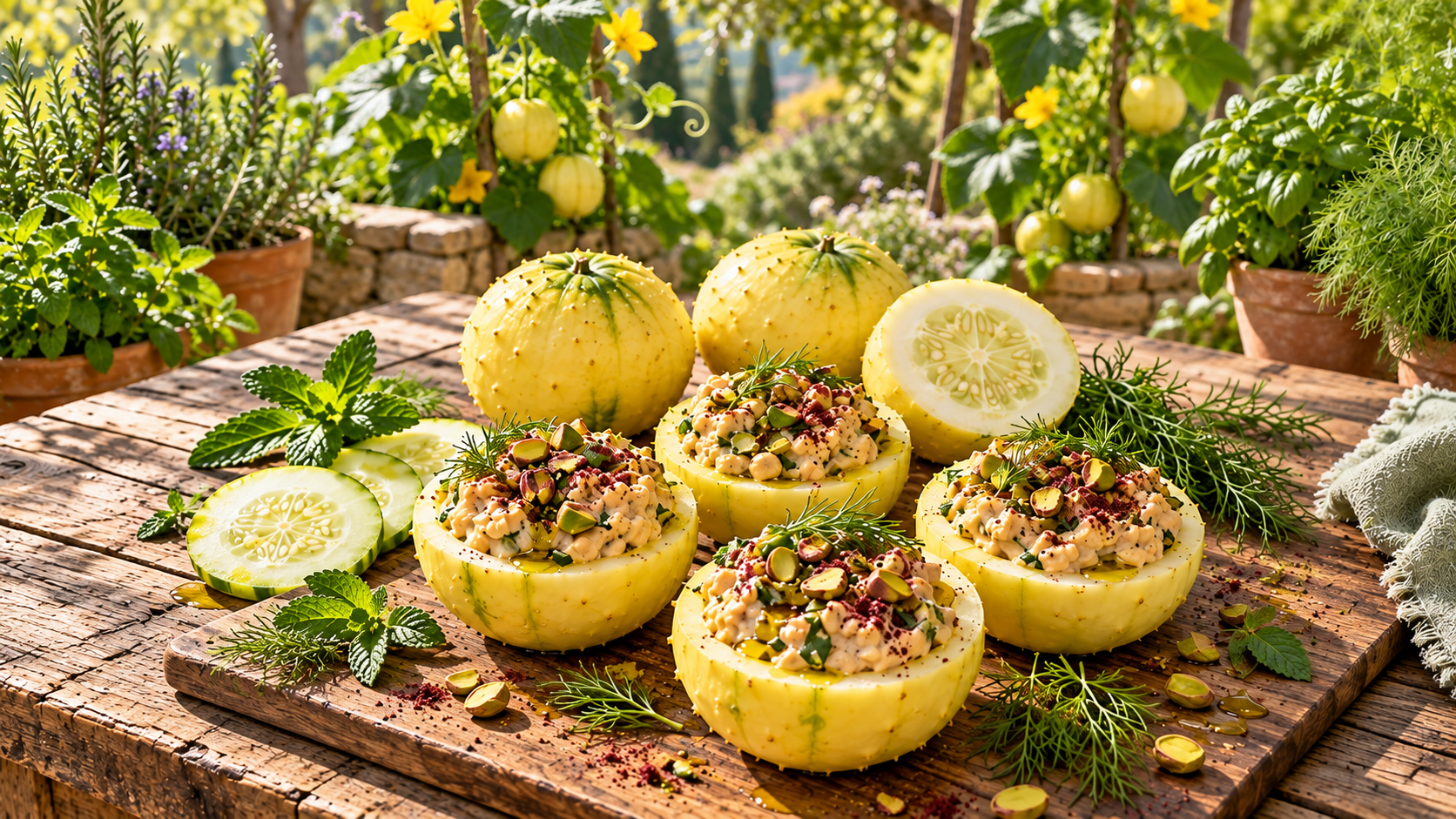
I created these for a summer potluck when my counter was full of ripe fruit and I had no desire to turn on the stove. The round shape makes a natural bowl, and the filling uses the scooped-out flesh, so nothing goes to waste. They’re rich in fiber and plant protein, and they’re ready in 20 minutes.
- Serves: 4 (2 cups each)
- Prep time: 20 minutes
- Cook time: None
Ingredients
- 4 medium lemon cucumbers, about 2½ inches across
- 1 can (15 oz) no-salt-added chickpeas, rinsed and drained
- ⅓ cup plain 2% plant-based yogurt
- 1 tablespoon tahini
- 1 tablespoon fresh lemon juice, plus zest of ½ lemon
- 1 small garlic clove, finely grated
- 2 tablespoons fresh dill, chopped
- 1 tablespoon fresh mint, chopped
- ¼ teaspoon fine sea salt
- Freshly ground black pepper, to taste
- ¼ teaspoon sumac or smoked paprika
- 3 tablespoons shelled pistachios, roughly chopped
- 1 teaspoon extra-virgin olive oil

Instructions
- Rinse the cucumbers, rub off any prickles, and slice each one in half horizontally. Trim a sliver from the rounded bottoms so the halves sit flat.
- Use a melon baller or teaspoon to scoop out the seedy centers, leaving a ¼-inch wall. Finely chop the scooped flesh and pat it dry with a paper towel.
- In a bowl, roughly mash the chickpeas with a fork, leaving some texture.
- Stir in the plant-based yogurt, tahini, lemon juice, zest, garlic, dill, mint, salt, and pepper. Fold in the chopped cucumber flesh.
- Spoon the filling into the cucumber cups, mounding it slightly.
- Top with pistachios, a pinch of sumac, and a light drizzle of olive oil. Serve immediately or chill for up to 2 hours.
Serve Your Cucumber Cups in Garden-Inspired Style
Turn these colorful lemon cucumber appetizers into a beautiful summer centerpiece with an elegant botanical stoneware platter. Perfect for garden parties, potlucks, family gatherings, and outdoor entertaining, this eye-catching serving piece is a lovely way to present cucumber cups, fresh vegetables, fruit, and other healthy appetizers.

Creative Co-Op Stoneware Oval Platter with Grid Pattern and Botanicals, Multicolor
- An oval stoneware platter featuring hand-painted grid patterns and botanical motifs in pink and multicolor tones
- Perfect for Cottagecore, Farmhouse, French Country, Contemporary, and Casual interiors that celebrate artisan detail and playful elegance
- Use it for serving appetizers, desserts, or as a decorative centerpiece on dining tables and open shelving
- Made of durable stoneware with a hand-painted finish—each piece showcases unique brushwork and color variation
More Simple Ways I Eat Them During the Week
Once the recipe became a regular in my kitchen, I started looking for other easy ways to use these round cucumbers before they lose their crunch. My favorite breakfast shortcut is thin slices layered on whole-grain toast with cottage cheese, cracked pepper, and a drizzle of olive oil. It takes two minutes and adds a cool, crisp contrast to the creamy topping.
For lunch, I dice them into grain bowls with quinoa, cherry tomatoes, olives, and a lemon-tahini dressing. Their mild sweetness balances salty ingredients without watering down the bowl the way larger cucumbers sometimes do.
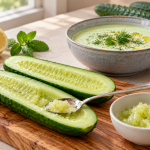
On hot afternoons, I blend them with plain yogurt, fresh mint, a little garlic, and ice water for a chilled soup that’s ready in five minutes. I also keep a jar of quick pickles in the fridge: sliced rounds covered in equal parts rice vinegar and water, with a pinch of salt and a few dill sprigs. They’re ready in an hour and stay crisp for several days, which means none of my harvest goes to waste.
Why This Heirloom Earned a Permanent Spot on My Plate
I started buying lemon cucumbers out of pure curiosity. I keep buying and growing them because they make eating more vegetables feel like a treat rather than a chore.
They won’t transform your health on their own, and no single food can. What they offer is something I value just as much: a fresh, hydrating, low-calorie ingredient that tastes good enough to reach for again and again. That’s how lasting habits are built, one enjoyable bite at a time.
If you spot a basket of these little yellow globes at your next farmers’ market, grab a few. Slice one with a pinch of salt, try the chickpea cups, or save a handful of seeds for next spring. I suspect you’ll find a place for them in your kitchen too.