Before you scrape the middle out of your next cucumber, pause for a moment. That soft, juicy center could become the freshest part of your lunch.
For years, I treated it as something to remove. A quick pass with a teaspoon, a flick into the compost bowl, and I was ready to chop. But the seeds of cucumbers deserve a second look, especially when the alternative is throwing away food you have already grown or bought.
The answer to the title question is yes: the soft seeds in fresh cucumbers are edible. Keeping them is a matter of taste, texture, and your recipe.
Below, you will find practical cooking ideas, a creamy green goddess bowl recipe, and a brief guide to choosing mature seeds for planting.
Are Seeds of Cucumbers Safe to Eat?
In cucumbers harvested for eating, the seeds are usually immature and tender. You can eat them along with the surrounding flesh without removing each tiny seed or cooking it separately.
Wash the whole cucumber under running water before cutting, even if you plan to peel it. Then slice a piece and check the texture. Young fruit generally has the mildest flavor and softest center.
An older cucumber can have larger seeds with firmer coats. They may be less pleasant to chew, but that does not mean every cucumber needs scooping.
The dish should guide your decision. Keep the center for smoothies, blended sauces, or a simple chopped salad. Remove it when extra moisture would spoil a thick dip or a sandwich filling.
If you have a cucumber allergy, keeping or removing the seeds does not make the fruit suitable for you. Otherwise, start with the cucumber in front of you, rather than a rule that says its middle always belongs in the bin.
What the Juicy Center Actually Offers
The most useful nutrition figures describe whole cucumbers, rather than the soft seeds on their own. According to USDA Food Data Central, 100 grams of raw cucumber with peel provides about 15 calories, 95 grams of water, and half a gram of fiber.
That portion also contains potassium and vitamin K. These are whole fruit values, so they should not be presented as the nutrient content of a spoonful of seeds.
Keeping the center means using more of the food already on your board. It adds moisture and a mild, fresh flavor, which can be useful when a sauce needs loosening.
Mature dried seeds are different from the tender ones in your salad. Their composition and texture change as the fruit ripens. Research on dried seed oil does not establish the nutritional benefits of eating immature seeds.
What the Research Can Tell Us
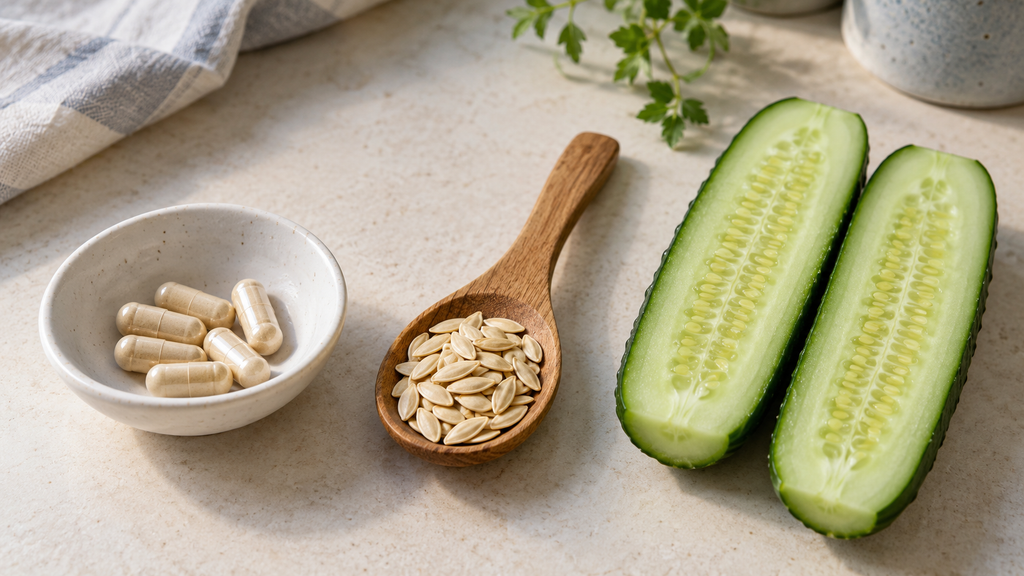
Research on the seeds of cucumbers needs careful interpretation. A clinical trial published in 2017 examined cucumber seed extract in adults with mildly elevated blood lipids.
Participants took either 500 milligrams of extract or a placebo daily for six weeks. Twenty four people in the extract group and twenty three in the placebo group completed the study. Researchers reported improvements in several blood lipid measures compared with placebo.
That is interesting, but it is a small study of a concentrated extract. It does not show that adding fresh cucumber cores to lunch will lower cholesterol.
The preparation, amount, and people studied all matter. A capsule cannot be treated as interchangeable with an ordinary food portion, and a short trial cannot answer every question about lasting effects.
Keep the cooking advice separate from treatment claims. Enjoy cucumber as part of a varied eating pattern, and discuss cholesterol concerns with your healthcare professional. The strongest reason to try the recipe below is that it offers a satisfying way to use an ingredient you might otherwise discard.
When Keeping the Center Does Not Suit You
Texture preferences are enough reason to change a recipe. You do not have to enjoy large seeds or watery cucumber centers to make good use of the rest of the fruit.
If cucumber regularly causes digestive discomfort, try a smaller portion and note how you respond. Removing the center may suit you, but it is not a proven solution for every digestive complaint.
English and Persian cucumbers often have tender centers. They can be useful alternatives when a large slicing cucumber feels too coarse. Choose firm fruit and avoid keeping overgrown cucumbers for raw dishes simply to prevent waste.
Allergy deserves different attention. The American Academy of Allergy, Asthma and Immunology lists cucumber among foods associated with reactions in some people allergic to ragweed pollen.
Cooking With Seeds of Cucumbers
When a recipe needs seeded cucumber, I still remove the middle. The difference is giving that middle a purpose before it becomes another forgotten jar in the fridge.
The seeds of cucumbers blend easily into a dressing with lemon, herbs, and olive oil. Start without extra water, then adjust after blending. The cucumber may provide all the liquid you need.
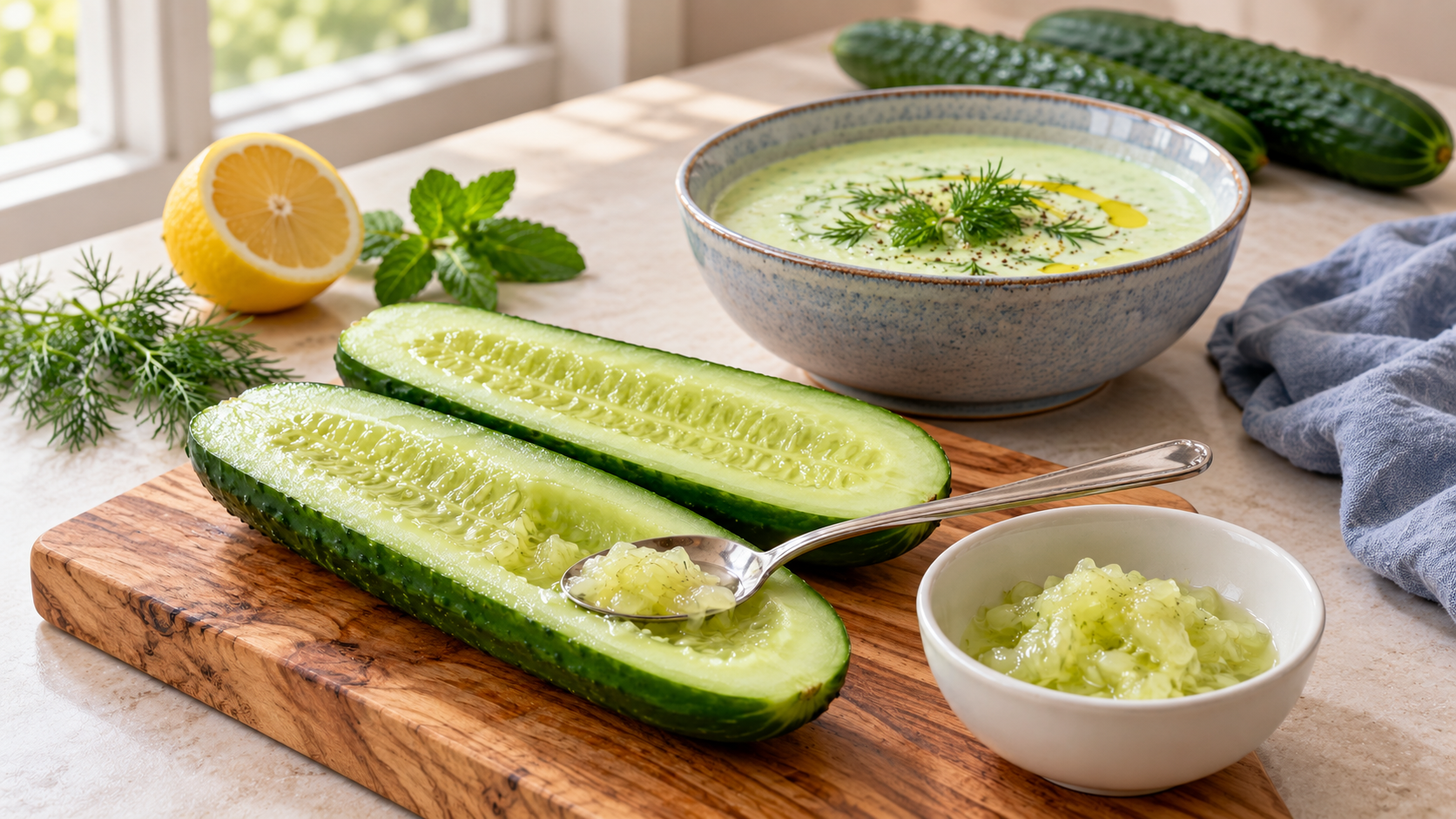
For a chilled soup, combine the core with chopped cucumber, plain unsweetened plant based yogurt, dill, and a little garlic. Taste before adding more seasoning, since raw garlic can quickly dominate a delicate soup.
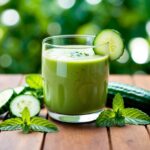
A green smoothie can use a small amount of core alongside fruit and leafy greens. Add it gradually so the drink keeps the flavor you want.
For salsa, chop the center and mix it with tomato, onion, lime, and cilantro just before serving. Expect a juicy result.
Turn Those Cucumber Cores Into Something Delicious
A powerful blender makes it incredibly easy to turn cucumber cores and other fresh ingredients into silky soups, vibrant green smoothies, creamy plant-based dressings, and sauces instead of letting them go to waste. The Vitamix Ascent X5 Blender is a premium kitchen investment designed for exceptionally smooth blending and plenty of everyday versatility.

Vitamix Ascent X5 Professional-Grade Blender, 10 Programs,Brushed Stainless
- Included: Ascent X5 blender motor base, 48-ounce container, S2 low-profile tamper, tamper holder, and recipe book; this kitchen blender container allows for small- to medium-capacity blends
- 10 Blending Programs: 10 automatic Blending Programs for Smoothies, Frozen Desserts, Soups, Frozen Cocktails, Dips & Spreads, Smoothie Bowl, Frappé, Nut Butters, Non-Dairy Milks, and Spice Grinding
- Self-Cleaning Program: Just add warm water, a drop of dish soap, and run the Self-Cleaning Program; the blender will clean itself in 60 seconds or less
- Premium Blending: Intuitive touch button controls on this countertop blender offer easy operation, plus the digital timer removes the guesswork with recipes you process manually with the variable speed settings: use Pulse Function for ice crushing
Cold Lemon Cucumber Soup With Fresh Herbs and Dill
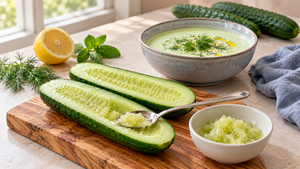
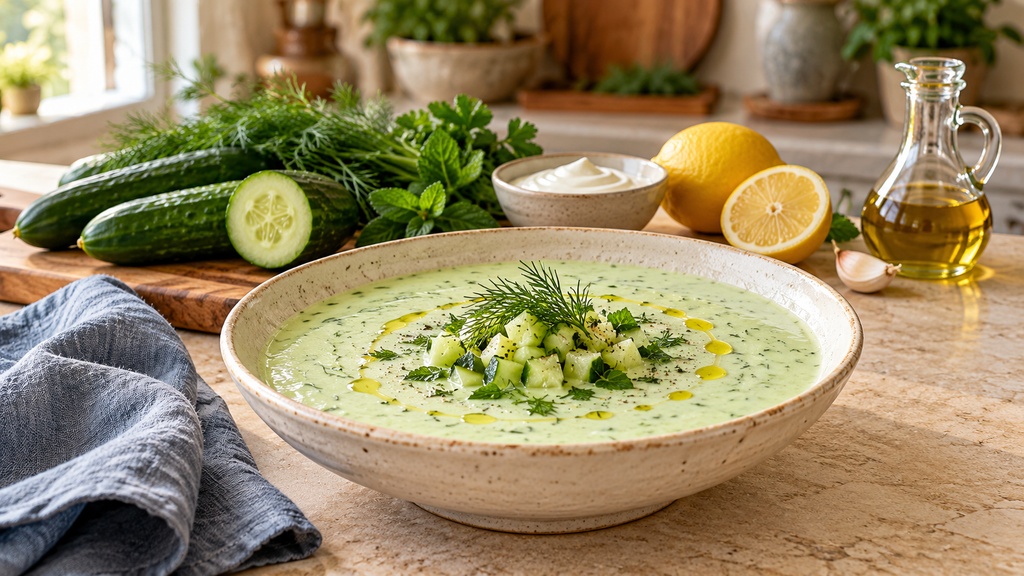
Cool cucumber, bright lemon, and fresh herbs make this creamy soup a refreshing lunch or starter. The soft seeds and scooped cores blend into the soup, giving you a delicious reason to keep them.
Serves: 4 as a starter
Prep time: 15 minutes
Cook time: None
Chilling time: 1 hour
Ingredients
- 2 large English cucumbers, about 600 grams total
- 1 cup plain unsweetened plant based yogurt
- 2 tablespoons fresh lemon juice, plus more to taste
- Half a teaspoon finely grated lemon zest
- One quarter cup chopped fresh dill, plus extra for serving
- 2 tablespoons chopped fresh parsley
- 1 tablespoon chopped fresh mint
- 1 small garlic clove
- 1 tablespoon extra virgin olive oil
- Half a teaspoon fine sea salt, plus more to taste
- One quarter teaspoon ground black pepper
- 2 to 4 tablespoons cold water, only if needed
Prepare the Cucumbers
Wash the cucumbers and trim the ends. Keep tender skins, or peel them if they are thick or tough.
Halve the cucumbers lengthwise and scoop the soft cores into a bowl. Reserve half a cup of the firm outer flesh for a diced garnish. Roughly chop the remaining flesh.
To use cores saved from another recipe, substitute them for an equal weight of cucumber. Use fresh cores that have been refrigerated promptly.
Blend and Chill
- Place the cucumber cores and chopped flesh in a blender with the yogurt, lemon juice, zest, dill, parsley, mint, garlic, olive oil, salt, and pepper.
- Blend until smooth, scraping down the sides as needed.
- Check the consistency before adding water. For a thinner soup, blend in cold water one tablespoon at a time.
- Transfer to a covered container and refrigerate for at least one hour.
- Stir and taste once chilled. Adjust the lemon juice and seasoning, then divide among four bowls.
- Finish with the reserved diced cucumber and extra dill.
Serving and Storage
Serve with gluten free toast or a chickpea salad for a more substantial lunch.
Keep leftovers in a covered container in the refrigerator and use within two days. Stir before serving, as some separation is normal. Freezing may change the yogurt’s texture.
For someone with celiac disease, check the yogurt and accompaniment labels and use clean equipment to prevent contact with gluten containing foods.
Give Your Chilled Cucumber Soup a Beautiful Finish
A refreshing homemade soup deserves to look just as inviting on the table as it tastes. Elegant stoneware soup bowls are perfect for serving chilled cucumber soup, nourishing grain bowls, salads, and warming soups throughout the year. Le Creuset stoneware also brings a beautiful premium touch to everyday healthy meals and summer entertaining.

Le Creuset Stoneware Set of 4 Soup Bowls, 22 oz. (6.25″) each, Marseille
- Premium stoneware is designed for everyday use
- Feature point 2Colorful glaze is non-porous, non-reactive, scratch-resistant, and resists stains and flavor absorption
- Virtually nonstick interiors easily release food for quick clean-up, and resist cracking and crazing
- Superior heat retention keeps food warm or cold for serving
Saving Seeds of Cucumbers for Planting
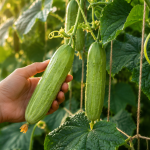
The soft seeds in a cucumber picked for lunch are generally too immature for reliable seed saving. Planting starts with fruit left to mature well beyond the eating stage. Choose a healthy plant and leave a suitable cucumber on the vine.
As it matures, the cucumber becomes larger, changes color, and softens. Southern Exposure Seed Exchange advises leaving seed fruit for several weeks after its color changes. Inside, mature seeds should look large and full.
This is a different project from saving fresh cores for cooking. The seeds of cucumbers intended for planting need maturity, cleaning, and thorough drying. The tender centers destined for sauce need refrigeration and prompt use.
For detailed cleaning, drying, and isolation advice, follow the linked seed saving guide. Check the variety before starting, since seeds saved from hybrids may not produce plants resembling the parent. Keep fermenting garden seeds separate from food preparation.
Keep Next Season’s Seeds Organized and Ready to Grow
If saving cucumber seeds inspires you to start collecting seeds from the rest of your garden, a dedicated seed storage organizer can make the process much easier. A premium organizer keeps varieties separated, labelled, protected, and easy to find when planting season arrives—turning this year’s garden into the beginning of next year’s harvest.
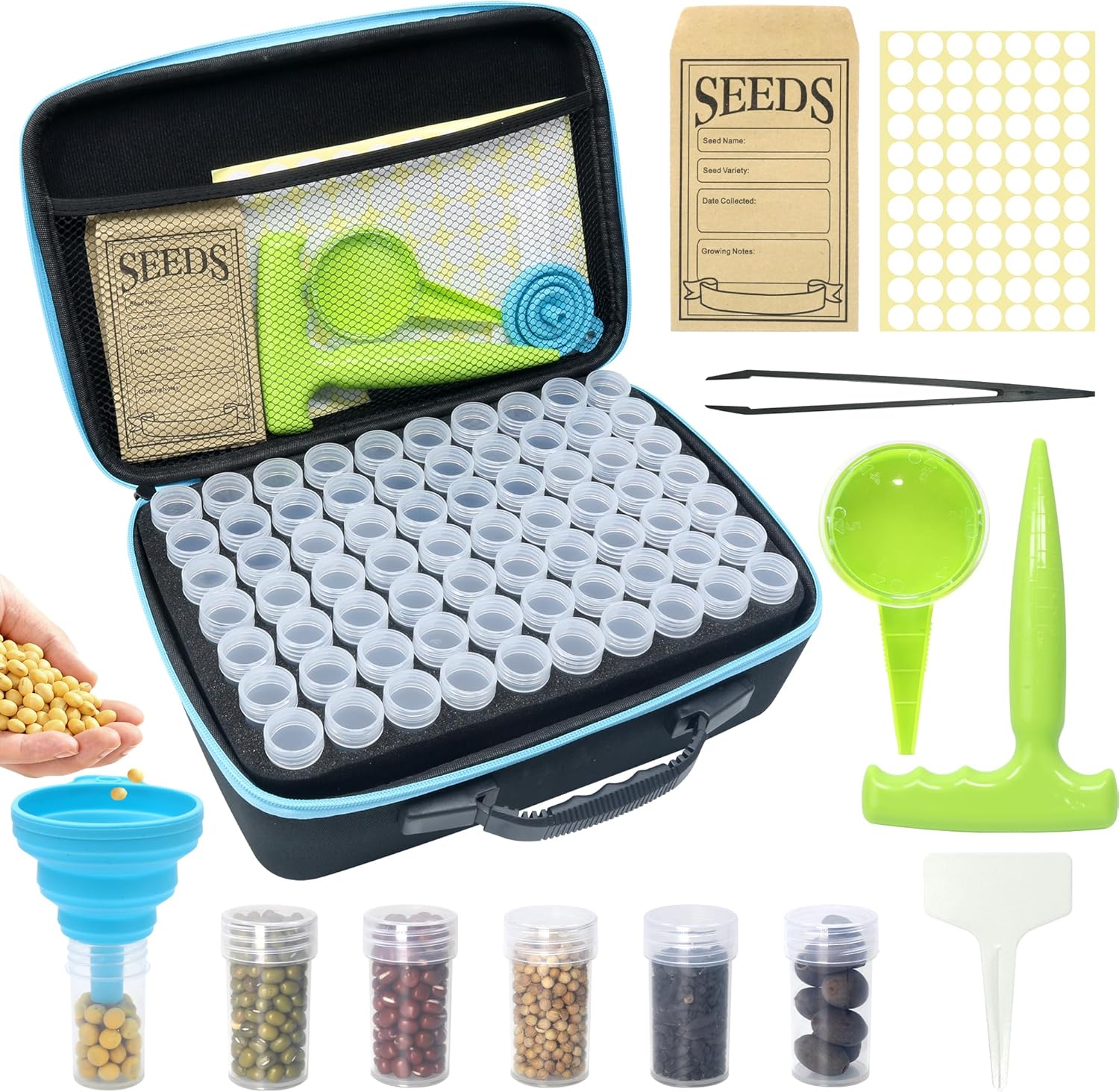
Seed Storage Organizer, 140 Slots Seed Storage Box with 20 Envelopes
- This comprehensive kit includes 140 transparent Width 0.9in, Height 1.85in seed bottles, 210 label stickers, and 20 seed envelopes, offering ample storage for vegetable, flower, and plant seeds. Keep your seeds neatly organized and easily accessible
- Made from waterproof and lightproof black EVA material, the storage case protects seeds from moisture, sunlight, and physical damage. The included bottles are made of durable PS plastic, offering reliable strength and lightweight storage. The sponge insert holds bottles firmly in place to prevent spills or breaks.
- Transparent seed bottles allow quick identification of contents without opening. Includes 210 pre-cut labels and 20 envelopes for detailed categorization and hassle-free seed management
- Features a metal tweezer, collapsible silicone funnel, and a seed sower for precise planting and reduced waste. Perfect for filling bottles, transferring seeds, and sowing with control
Give the Middle a Second Chance
You do not need to save every cucumber core or become a seed collector. Start with one meal and one ingredient you already have.
The seeds of cucumbers can stay in a salad, become a fresh green sauce, or, once fully mature, supply a future planting. Each use has its own timing and purpose.
Next time you prepare cucumber, set the tender center aside before reaching for the compost bowl. Blend it with herbs and lemon, taste it, and decide where it belongs on your plate.
Try the green goddess bowls first. If gardening interests you, follow the seed saving resource when you are ready to plan a future crop.