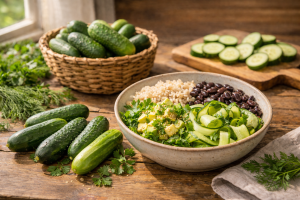
At My Nutrition Foods, I focus on plant-based living, and bush cucumbers have become a regular part of my meals for their crisp texture, hydration, and versatility. These compact plants thrive in small gardens, producing abundant harvests of vitamin-rich cucumbers that support sustainable eating. When I first began prioritizing whole-food, plant-forward cooking, I was searching for vegetables that offered both nutritional value and practical convenience. I found exactly that growing in the cucumber bed along the east side of my garden.
There is something deeply satisfying about slicing a freshly picked cucumber minutes before it reaches your bowl. The flavor is brighter, the texture more alive, and the nourishment feels intentional. For anyone ready to grow their own food and cook with purpose, this guide covers everything I’ve learned growing, harvesting, and eating this rewarding crop.
How to Grow Bush Cucumbers Effortlessly
Starting from Seed
I always start my plants from seed once the soil warms to at least 70°F (21°C) and frost risk has passed. Seeds germinate reliably within 7-10 days when sown about one inch deep in warm, loose soil. I prefer direct sowing into garden beds rather than transplanting, because cucumbers are sensitive to root disturbance. Popular compact varieties worth trying include Spacemaster, Bush Pickle, and Patio Snacker, all bred specifically for smaller growing spaces and container gardening.
Soil, Spacing, and Sun
Healthy soil is the foundation of a productive harvest. I enrich my beds with aged compost and organic matter before planting each season. Well draining, slightly acidic soil with a pH between 6.0 and 6.8 encourages vigorous root development and steady fruit production. Spacing plants 18-24 inches apart allows adequate airflow between compact vines, which reduces the risk of powdery mildew and fungal issues. Full sun is non-negotiable, and plants need at least six hours of direct light daily for fruit production. In my container garden, I rotate pots throughout the day to chase available light when needed.
Many gardeners start growing cucumbers directly in the ground, yet raised beds offer a big advantage when it comes to soil health and drainage. One of the easiest upgrades for small-space gardening is a cedar raised garden bed. Cedar naturally resists rot and holds up beautifully through multiple growing seasons. Raised beds warm earlier in spring, drain excess water more effectively, and make it much easier to maintain nutrient-rich soil for vegetables like cucumbers that thrive in loose, well-aerated conditions.
Built to Grow With You
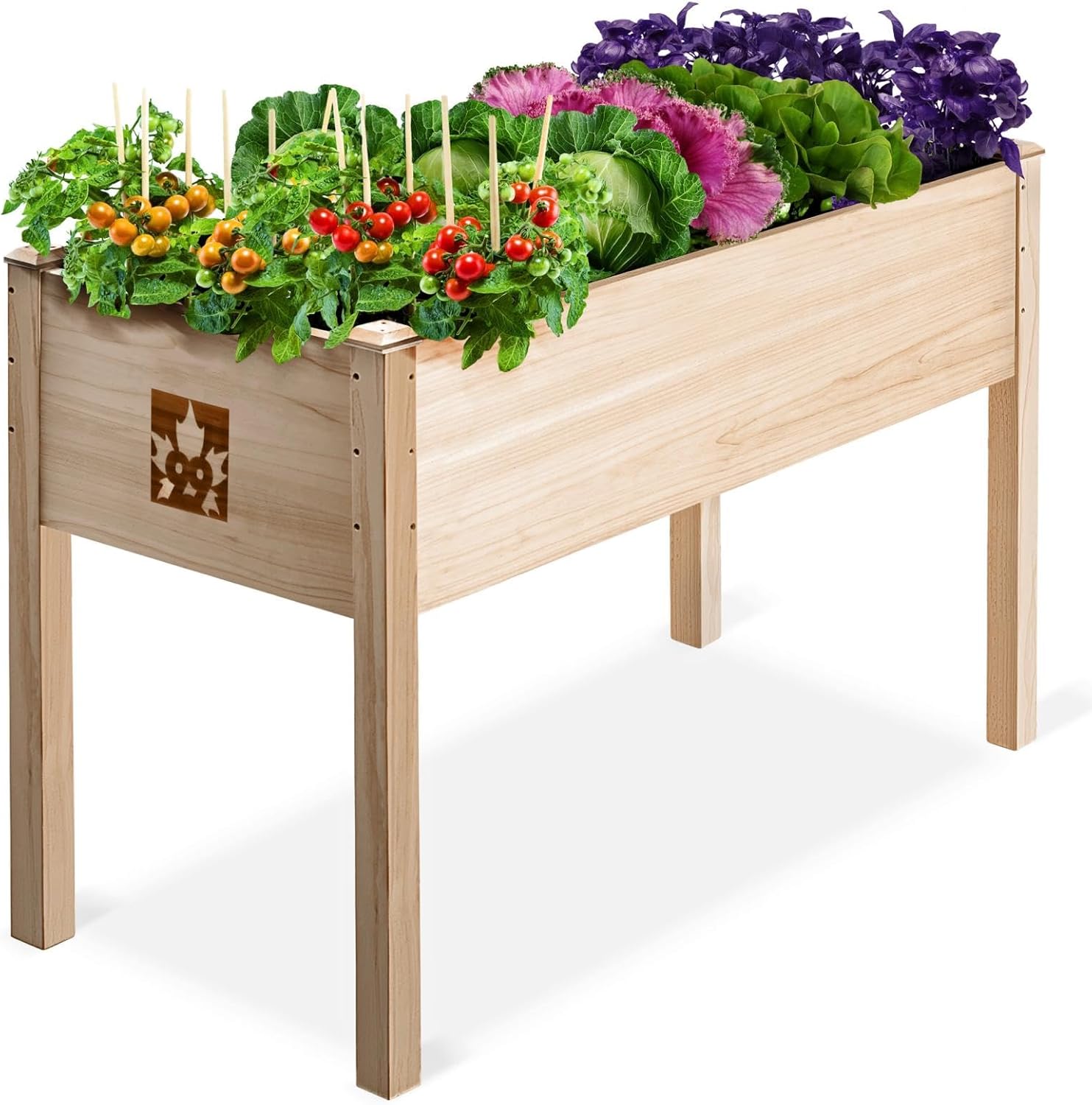
Raised Garden Bed with Legs 48x24x30 – Natural Cedar Wood Elevated Planter Box with Bed Liner for Flowers, Veggies, Herbs – 200lb Capacity
- Elevate Your Garden – Opt for a brilliantly engineered raised garden bed to revolutionize your gardening. Its spacious design, measuring 48x24x30 inches, allows for the cultivation of multiple vegetable varieties alongside a plethora of herbs, optimizing your gardening space for ease and diversity./li>
- Premier Cedar Construction – Experience the wonders of cedar wood, known for its natural insect-repelling properties, adding an aesthetic and functional edge to your garden. This appealing timber is paintable, allowing for personal customization. Its 30-inch tall legs are designed for ergonomic gardening, providing a back-friendly experience.
- Durability Meets Simplicity – Crafted for strength, this garden bed confidently supports up to 200 pounds of soil, plants, and water, ensuring stability without any wobble. Assembly is straightforward, presenting an enjoyable DIY venture that promises satisfaction. The components seamlessly connect, simplifying the construction process.
- Benefits of Elevated Planting – This raised design not only safeguards the wood from direct soil contact, prolonging the planter’s lifespan but also minimizes weed growth and deters animals, enhancing plant health and productivity.
Watering and Pest Management
Cucumbers need consistent moisture, especially once fruit begins forming. I water deeply every 2-3 days rather than giving shallow daily sprinkles, which encourages roots to grow downward. Mulching around the base of each plant stabilizes soil temperature and reduces water evaporation. For pest control, I rely on neem oil spray to deter aphids and cucumber beetles. Introducing beneficial insects like ladybugs is another method I’ve used successfully without any chemical intervention.
Bush Cucumbers vs. Vining Varieties: Key Differences
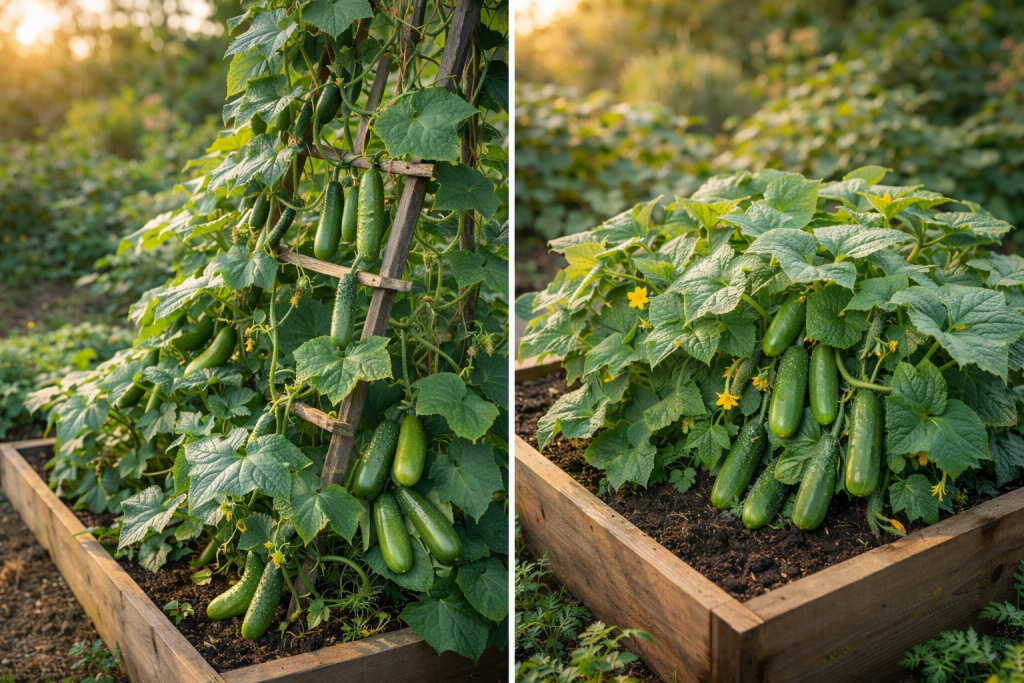
Before I committed to compact varieties, I grew traditional vining cucumbers that sprawled aggressively across raised beds, requiring trellises, regular pruning, and far more horizontal space than I had available. The contrast could not be more practical. Compact cucumber plants stay contained within a two to three foot spread, making them ideal for urban gardens, balconies, and small backyard plots where efficient use of space matters.
Yield patterns differ in meaningful ways as well. Vining types often produce over a longer season with staggered fruit development, while compact plants tend to produce concentrated harvests that are particularly useful for batch pickling or meal prepping. For a home cook who wants a predictable supply of pickling cukes over a 2-3 week window, compact varieties deliver exactly that.
Flavor is where compact cucumbers genuinely shine. In my experience, they carry a slightly sweeter, crisper bite compared to larger vining types, whose skins can turn bitter when overripe. Harvested at 4-6″, compact cucumbers have thin, tender skin that requires no peeling and seeds that remain small and barely noticeable. For fresh salads, chilled soups, and refrigerator pickles, I reach for compact varieties every time.
Top Health Benefits of Bush Cucumbers
Cucumbers consist of approximately 95% water, making them one of the most naturally hydrating foods available. For anyone following a plant based diet in a warm climate, they provide genuine fluid replenishment alongside essential electrolytes like potassium and magnesium that support muscle function and cardiovascular health.
A single cup of sliced cucumber provides a meaningful portion of daily vitamin K, which plays an essential role in bone metabolism and blood clotting. Cucumbers also supply modest amounts of vitamin C, an antioxidant that supports immune function and skin integrity. For plant based eaters, where micronutrient density matters deeply, this profile adds quiet but consistent nutritional value to meals.
Research published in nutritional biochemistry literature points to the anti-inflammatory properties of cucurbitacins and flavonoids found in cucumber flesh and peel. These plant compounds may help reduce oxidative stress markers associated with chronic inflammation. A 2022 review in the journal Nutrients noted that regular consumption of cucurbit family vegetables correlates with reduced inflammatory biomarkers in observational studies. Because cucumbers are naturally low in calories yet high in volume and fiber, they also support satiety and healthy weight management without caloric excess.
Best Tips for Harvesting Bush Cucumbers
Timing your harvest correctly makes an enormous difference in flavor and texture. I begin checking my plants daily once bush cucumbers reach about four inches in length. The ideal harvest window for compact varieties is between 4-6″, when the skin is still a deep, uniform green and yields slightly to gentle pressure. At this stage, the flesh is dense, the seeds are barely developed, and the flavor is at its sweetest.
Allowing cucumbers to grow past this window is the single most common harvesting mistake. Overripe fruit turns yellow, develops tough seeds, and can taste bitter. Worse, leaving mature fruit on the vine signals the plant to slow or stop producing. Regular picking actively encourages continued flower and fruit development throughout the season.
I always use clean, sharp garden scissors rather than twisting or pulling fruit from the stem.
When cucumber plants begin producing daily harvests, a good pair of garden snips quickly becomes one of the most useful tools in the garden. Twisting cucumbers from the vine can stress the plant and sometimes damage nearby flowers that would have produced the next harvest. Using sharp pruning snips allows you to cut fruit cleanly without harming the vine. A pair of precision garden snips makes harvesting faster, protects the plant, and helps maintain steady cucumber production throughout the season.
Precision Meets Comfort

Fiskars 15pc Micro-Tip Pruning Snip Set, Precision Stainless Steel Blades, Softgrip Handles for Deadheading, Trimming & Shaping Small Plants
- Precise Pruning Tools – Designed for deadheading, trimming, and shaping small plants, ensuring clean, healthy cuts every time
- Stainless Steel Blades – High-grade, precision-ground blades stay sharp longer and cut all the way to the tip for optimal performance
- Ergonomic Softgrip Handles – Symmetrical handles provide added comfort and accommodate both right- and left-handed users
- Easy Action Spring Design – Gently opens blades after each cut, reducing hand strain during extended use/li>
Twisting stresses the vine and can introduce entry points for disease. I harvest early in the morning, when cucumbers are at their coolest and most hydrated, which also means they store better and last longer in the refrigerator. During peak production, I harvest every 1-2 days without exception.
Unique Bush Cucumbers Recipe: Fresh Garden Cucumber Canapés
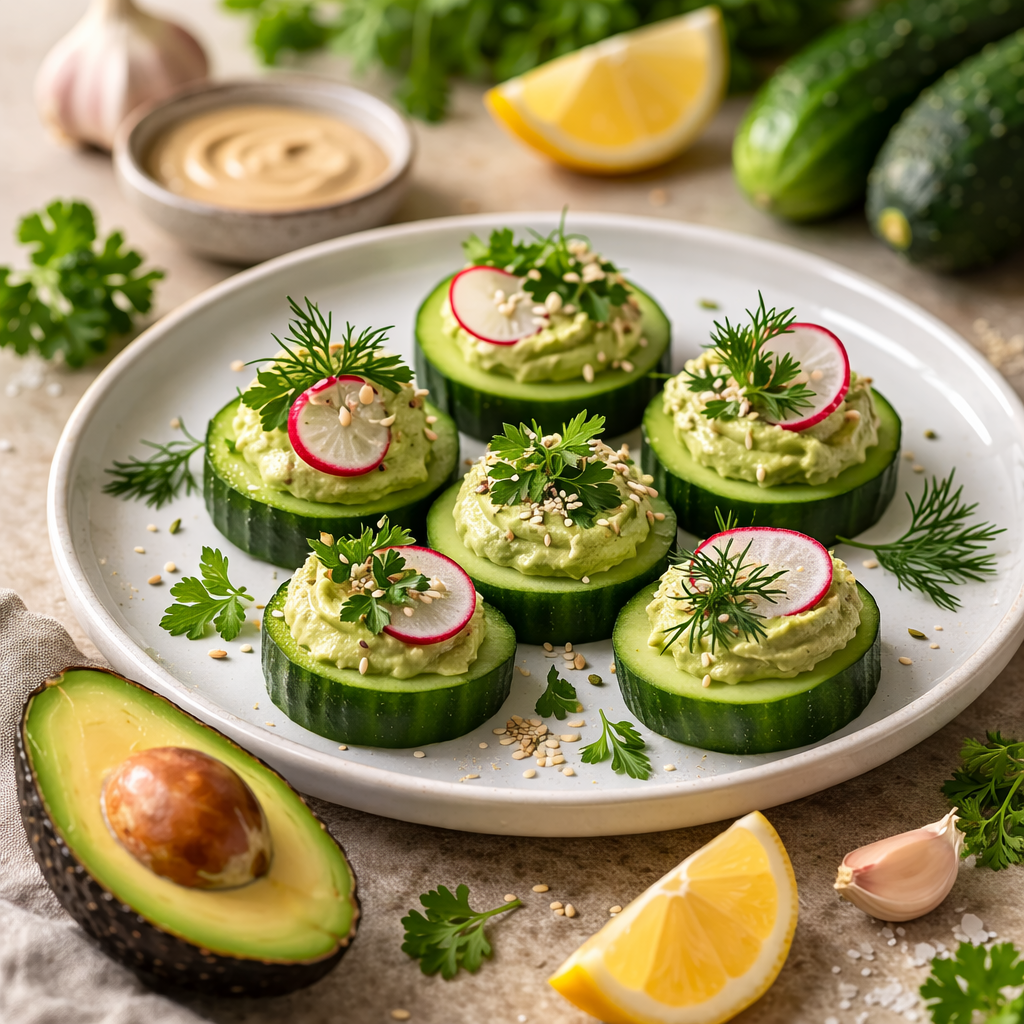
When my cucumber plants are producing more than I can slice into salads, I love turning them into quick garden canapés. These bite-sized cucumber rounds are crisp, refreshing, and packed with creamy plant-based flavor. They come together in minutes and make a light snack, appetizer, or beautiful addition to a summer table.
Creamy Avocado Herb Cucumber Canapés
Ingredients
- 2 medium bush cucumbers, sliced into thick rounds
- 1 ripe avocado
- 1 tablespoon fresh lemon juice
- 1 tablespoon tahini
- 1 tablespoon chopped fresh dill
- 1 tablespoon chopped fresh parsley
- 1 small garlic clove, finely minced
- Pinch of sea salt
- Freshly cracked black pepper
Optional toppings:
- toasted sesame seeds
- hemp seeds
- microgreens
- thin slices of radish
Instructions
- Slice the cucumbers into thick rounds and arrange them on a serving plate.
- In a small bowl, mash the avocado with lemon juice and tahini until smooth and creamy.
- Stir in garlic, dill, parsley, salt, and pepper.
- Spoon a small amount of the avocado mixture onto each cucumber slice.
- Garnish with sesame seeds, hemp seeds, or microgreens if desired.
- Serve immediately for the freshest crunch.
Why This Recipe Works
These cucumber canapés highlight the natural freshness of bush cucumbers while adding satisfying plant-based nutrients. Avocado and tahini provide healthy fats, while herbs bring brightness and depth of flavor. The result is a refreshing, nutrient-dense bite that is simple, elegant, and perfect for warm weather meals.
How to Store and Preserve Bush Cucumbers
Fresh cucumbers stored properly in the refrigerator crisper drawer will stay firm for up to five days. I wrap them loosely in a dry cloth towel rather than sealing them in plastic, which traps moisture and accelerates decay. Keeping them away from ethylene producing fruits like apples and bananas also extends their shelf life.
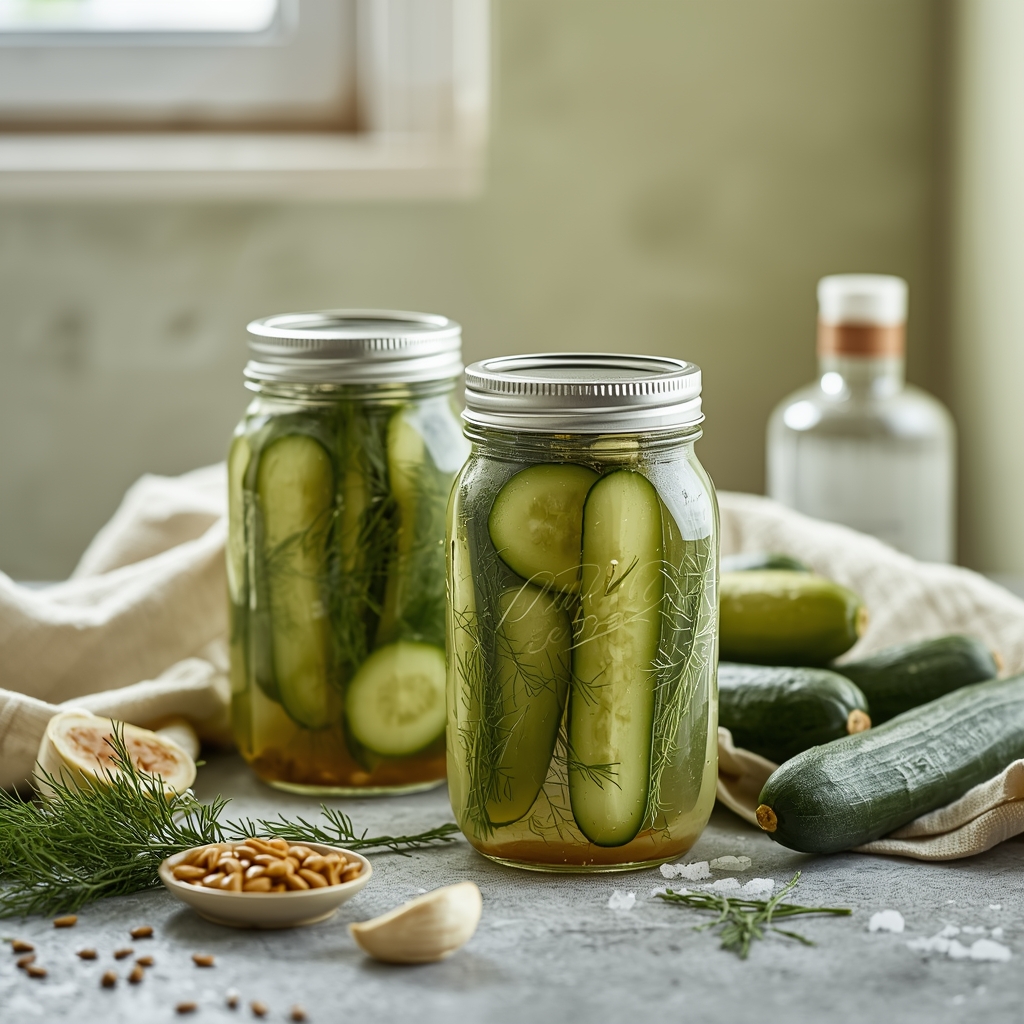
When my harvest outpaces my fresh consumption, quick refrigerator pickling is my preferred preservation method. Thin slices packed into sterilized jars with white vinegar, water, garlic, fresh dill, mustard seed, and sea salt create crisp, flavorful pickles within four hours. They keep refrigerated for up to three weeks and elevate grain bowls, sandwiches, and plant based wraps instantly. Bush cucumbers are ideal for this method because their firm flesh holds its texture through the pickling process far better than larger, more watery varieties.
For larger harvests, blending cucumbers into chilled gazpacho or green smoothies is another excellent option.
When cucumber harvests peak in mid-summer, blending them into chilled soups or smoothies becomes one of the easiest ways to use them quickly. A powerful blender helps create perfectly smooth textures when combining cucumber with greens, lime, ginger, or coconut water. High-performance blenders are particularly useful in a plant-based kitchen because they handle fibrous vegetables, seeds, and leafy greens effortlessly. If you regularly make smoothies, soups, or plant-based sauces, a professional-grade blender becomes one of the most valuable tools in your kitchen.
Professional Power, Home Kitchen Friendly

Vitamix Explorian E310 Blender, Professional-Grade Kitchen Blender for Smoothies, Soups, Juices and More, 10-Speed, Stainless Steel Blades, Self-Cleaning Kitchen Appliance, 48 Oz Container, Slate
- Included: Explorian E310 Professional Blender motor base, 48-ounce container, and mini tamper; this kitchen blender container allows for small- to medium-capacity blends
- 2 HP Motor: Equipped with a high-performance motor, this countertop blender lets you say goodbye to chunky smoothies and hello to effortless blends
- Stainless-Steel Blades: Laser-cut, stainless-steel blades can power through fibrous produce and frozen fruit, crush ice and nuts, and much more, offering consistent blends for years
- 48-Ounce Container: The blending container is designed to create the iconic Vitamix Vortex; it’s a professional-grade blender for smoothies, juices, purées, sauces, soups, and more, making hot and cold dishes in the container
Cucumber blends beautifully with spinach, lime, ginger, and coconut water. I freeze portions of these blended mixes in ice cube trays for use in smoothies throughout the week.
Bush Cucumber Growing Problems and Practical Solutions
The most damaging mistake I see is inconsistent watering. Irregular moisture, whether dry spells or sudden heavy watering, stresses plants and triggers bitter compounds in the fruit. A consistent deep watering schedule, supported by mulch, prevents this almost entirely. If fruit already tastes bitter, harvest immediately, improve irrigation, and the next flush will taste markedly better.
Planting in insufficient sunlight is another frequent problem. Cucumbers placed in partial shade will produce foliage but very little fruit. Six hours of direct sun daily is the minimum, and eight hours produces the most vigorous yields. Container growers have the advantage of being able to relocate plants as needed.
Over fertilizing with nitrogen is a less obvious mistake that I made early in my gardening years. Nitrogen encourages lush, dark leaf growth at the expense of flowering and fruiting. I now rely exclusively on balanced organic compost and a single midseason application of diluted liquid kelp to support steady production without pushing vegetative excess.
Finally, neglecting to harvest regularly is perhaps the most counterproductive habit of all. Leaving ripe fruit on the vine redirects the plant’s energy away from new flower production. Checking plants every morning during peak season and removing all mature fruit keeps the cycle of production moving.
Integrating Bush Cucumbers into Your Plant-Based Meals
Bush cucumbers easily find their way into multiple meals each week in my kitchen during the growing season. Their mild, crisp flavor works beautifully in a wide range of dishes—thinly sliced into cold sesame noodles, julienned into Vietnamese-style spring rolls, or layered into rice paper wraps with tofu and fresh herbs.
In a plant-based kitchen, bush cucumbers add hydration, volume, and refreshing crunch without overpowering other ingredients. They absorb dressings well, hold their texture in acid-based marinades, and pair naturally with legumes, whole grains, and fermented foods. A quick bowl of brown rice, seasoned black beans, cucumber ribbons, and miso-lime vinaigrette can become a balanced meal in minutes.
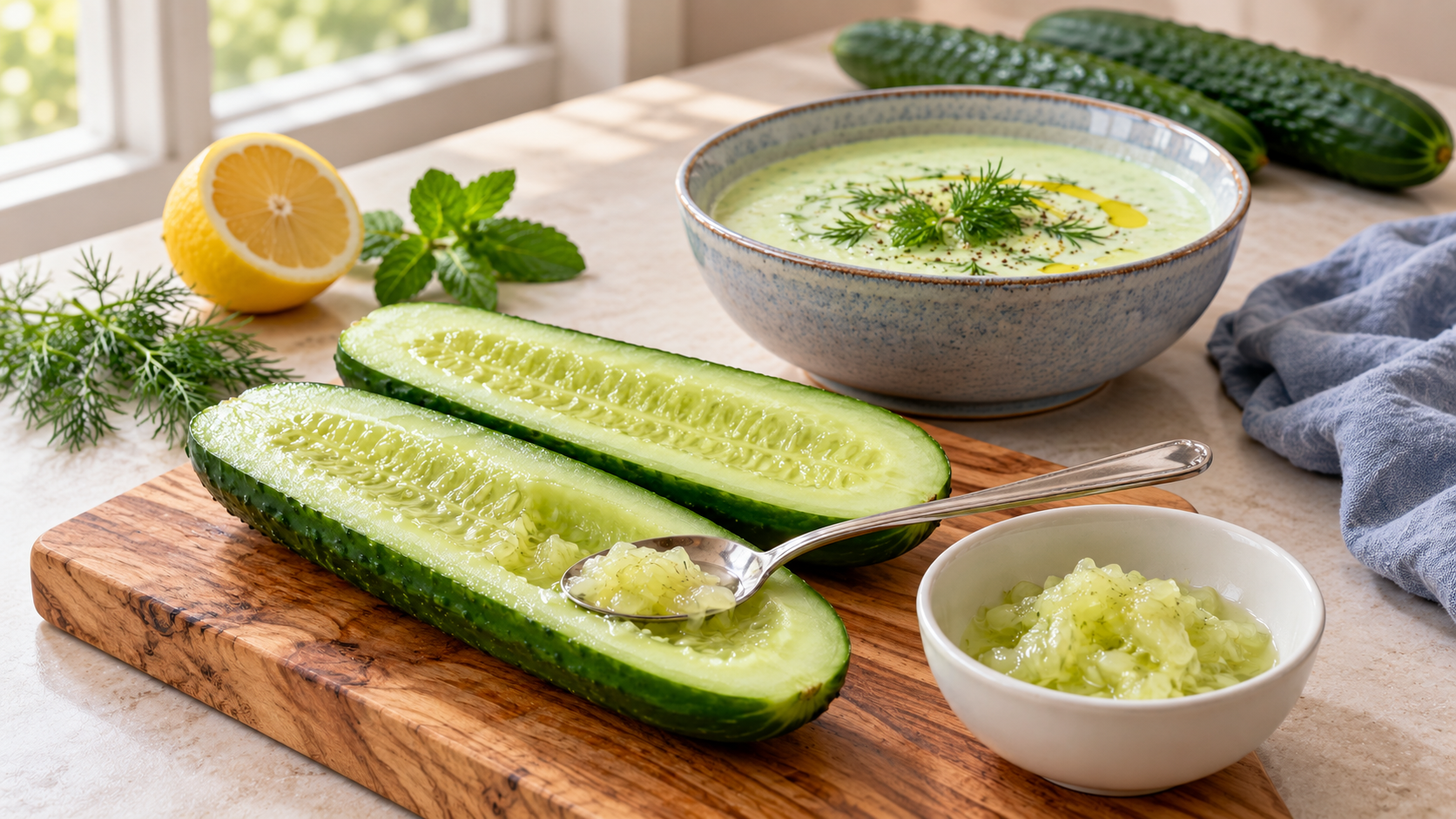
I also blend cucumbers into chilled soups with avocado, scallion, and fresh dill for a refreshing lunch on warm days. For anyone exploring plant-based cooking, cucumbers are an easy starting point—affordable, versatile, and nourishing.
Why Bush Cucumbers Belong in Every Plant-Based Garden
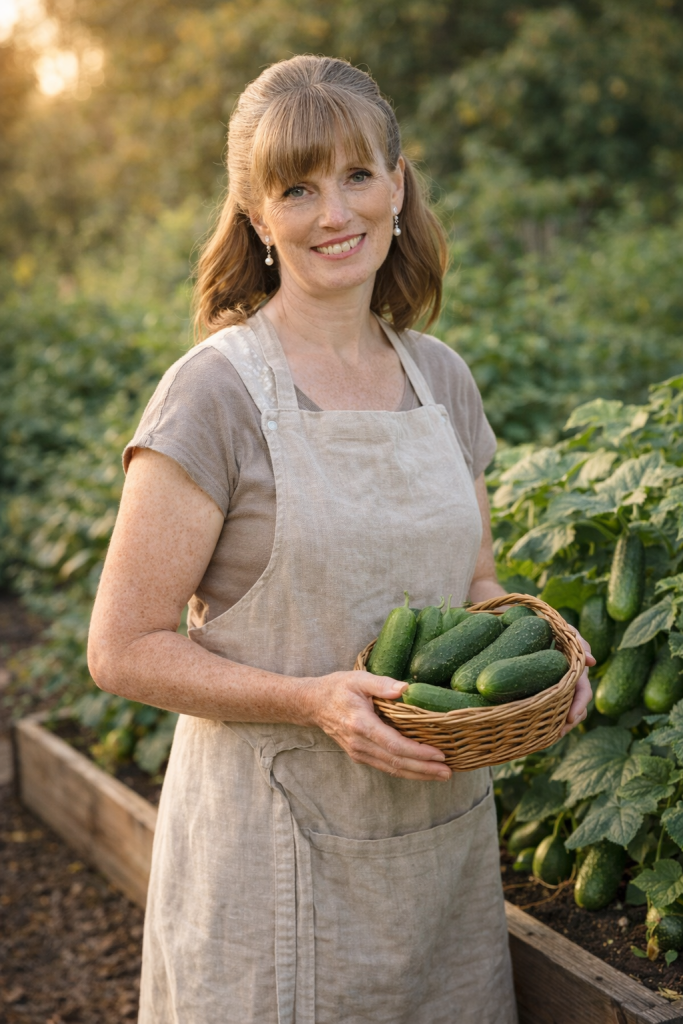
Growing your own vegetables is one of the simplest ways to invest in long-term health. From planting seeds in warm soil to slicing a freshly harvested cucumber into your meal, the process reconnects us with food in a way packaged products never can. Even a small balcony container or raised bed can provide a steady supply of nutrient-dense produce that supports a truly plant-forward lifestyle.
The basics are simple: consistent watering, timely harvesting, and a little attention throughout the season. In return, bush cucumbers reward you with crisp, refreshing harvests that turn everyday meals into something special.
If this guide has inspired you to grow, cook, or eat more intentionally, explore more at My Nutrition Foods. You’ll find plant-based recipes, small-space gardening tips, and practical nutrition resources designed to help make healthy living simple and sustainable.