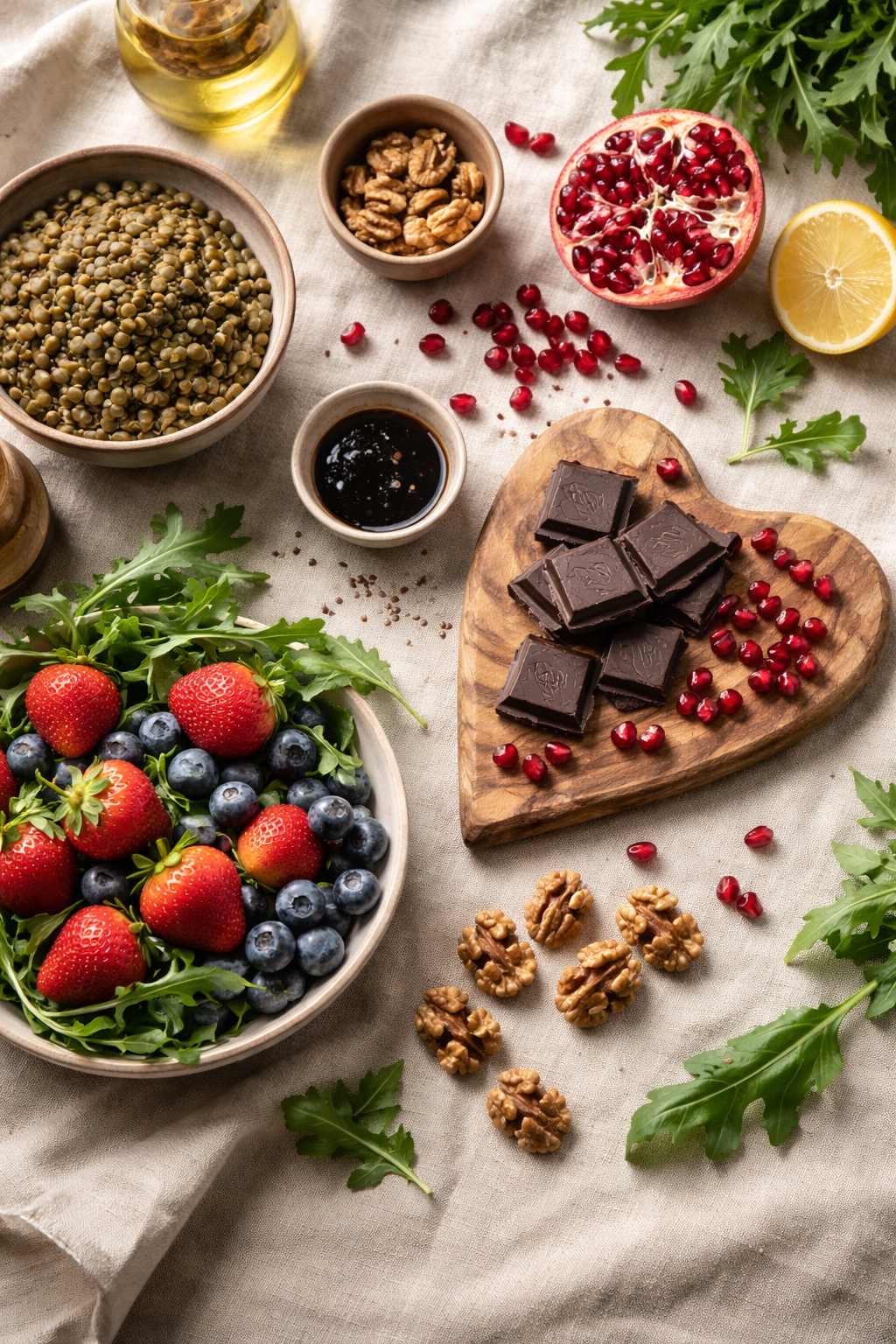
Every January brings a familiar pressure to reset everything at once—our eating habits, our routines, and even our expectations of ourselves. Over the years, I’ve learned that the healthiest way forward isn’t rooted in extremes or rigid rules. What truly sets the tone for the months ahead is returning to whole food choices that support the body without creating stress around food. Starting the New Year healthy doesn’t require perfection. It requires intention, consistency, and a willingness to nourish rather than restrict.
Why Whole Food Choices Support a Healthy Start to the Year
The beginning of the year is a natural point of reflection. After weeks of heavier meals and disrupted routines, the body often signals a desire for simplicity. I’ve found that focusing on foods in their most natural form helps restore balance without feeling forced. Vegetables, legumes, whole grains, fruits, nuts, and seeds provide fiber, micronutrients, and steady energy—elements that are often missing when meals rely too heavily on refined products.
When meals are built around minimally processed ingredients, digestion tends to improve, energy becomes more stable, and cravings gradually lose their intensity. This isn’t about eliminating enjoyment from eating. It’s about choosing foods that work with the body rather than against it. A healthy start to the year feels calmer when meals are predictable, nourishing, and satisfying. There’s no need for strict plans or elimination phases. Consistency with real food naturally creates structure.
Whole food choices also simplify decision-making. Instead of chasing trends or calculating numbers, the focus shifts to what’s on the plate and how it supports daily life. That simplicity makes healthy eating more sustainable long after January has passed.
Building Everyday Meals Around Whole Food Choices
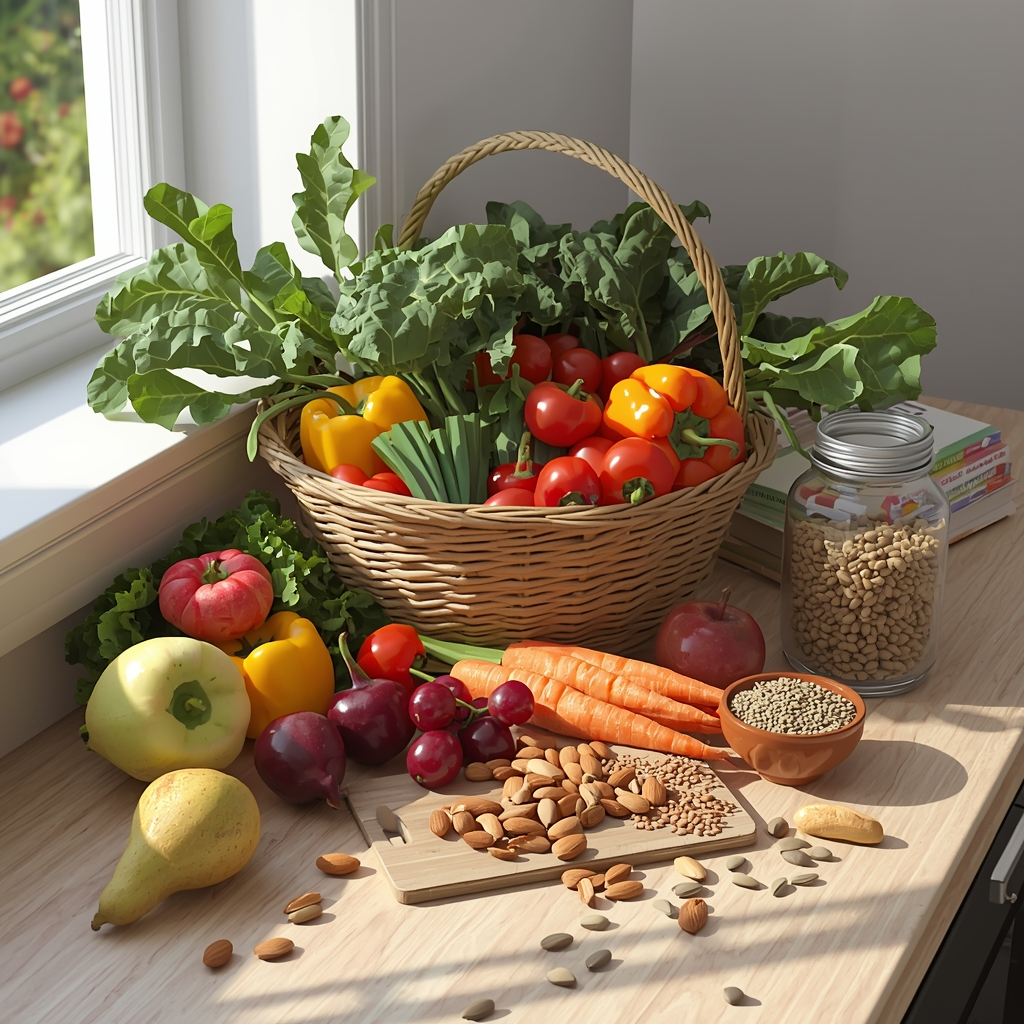
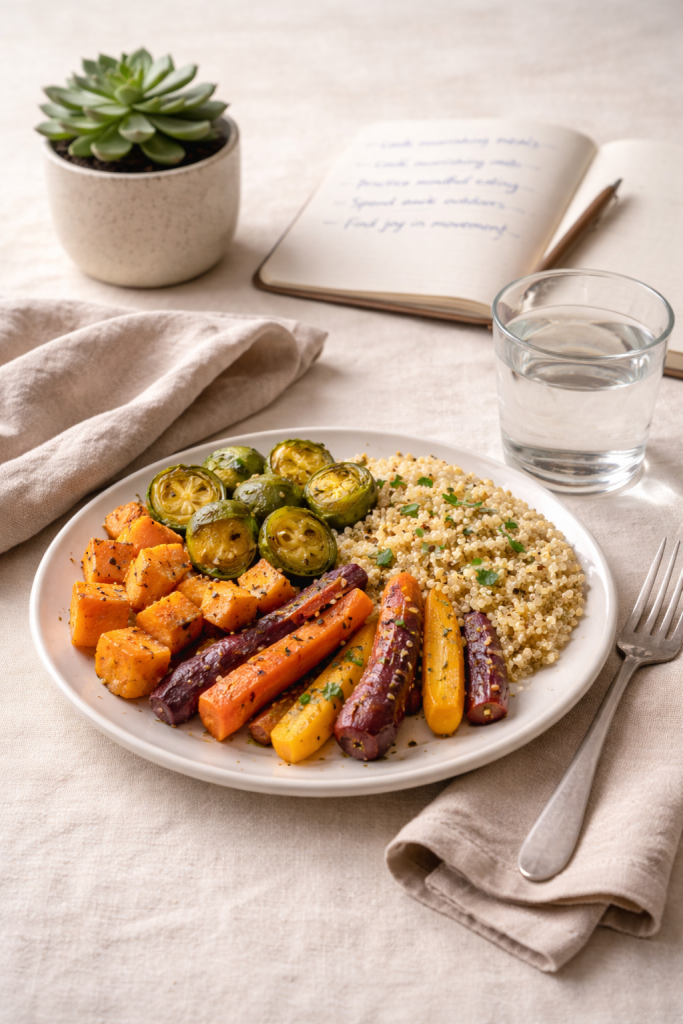
Creating meals at home doesn’t need to be complicated to be effective. One of the most helpful shifts I’ve made is building meals around a few core components: vegetables, a plant-based protein source, and a satisfying carbohydrate such as whole grains or starchy vegetables. This approach keeps meals balanced without requiring constant planning.
Cooking this way also encourages flexibility. A pot of lentils can become soup one day and a grain bowl topping the next. Roasted vegetables can be served warm for dinner and repurposed into wraps or salads later. When meals are anchored in whole food choices, variety comes naturally without extra effort.
I also prioritize warmth and texture during this time of year. Soups, stews, roasted dishes, and lightly sautéed vegetables feel grounding and comforting while still supporting health goals. Eating enough—and eating foods that feel satisfying—reduces the urge to snack mindlessly or rely on convenience foods that don’t offer much nourishment.
Starting the New Year healthy isn’t about creating the “perfect” plate. It’s about repeating simple meals that support energy, digestion, and focus while fitting into everyday schedules.
One tool that has quietly supported my consistency with whole foods is a high-quality blender. A Vitamix makes it easy to turn vegetables, beans, and simple ingredients into soups, spreads, and sauces with almost no effort. When healthy meals feel this accessible, they naturally become part of daily life rather than another task to manage.
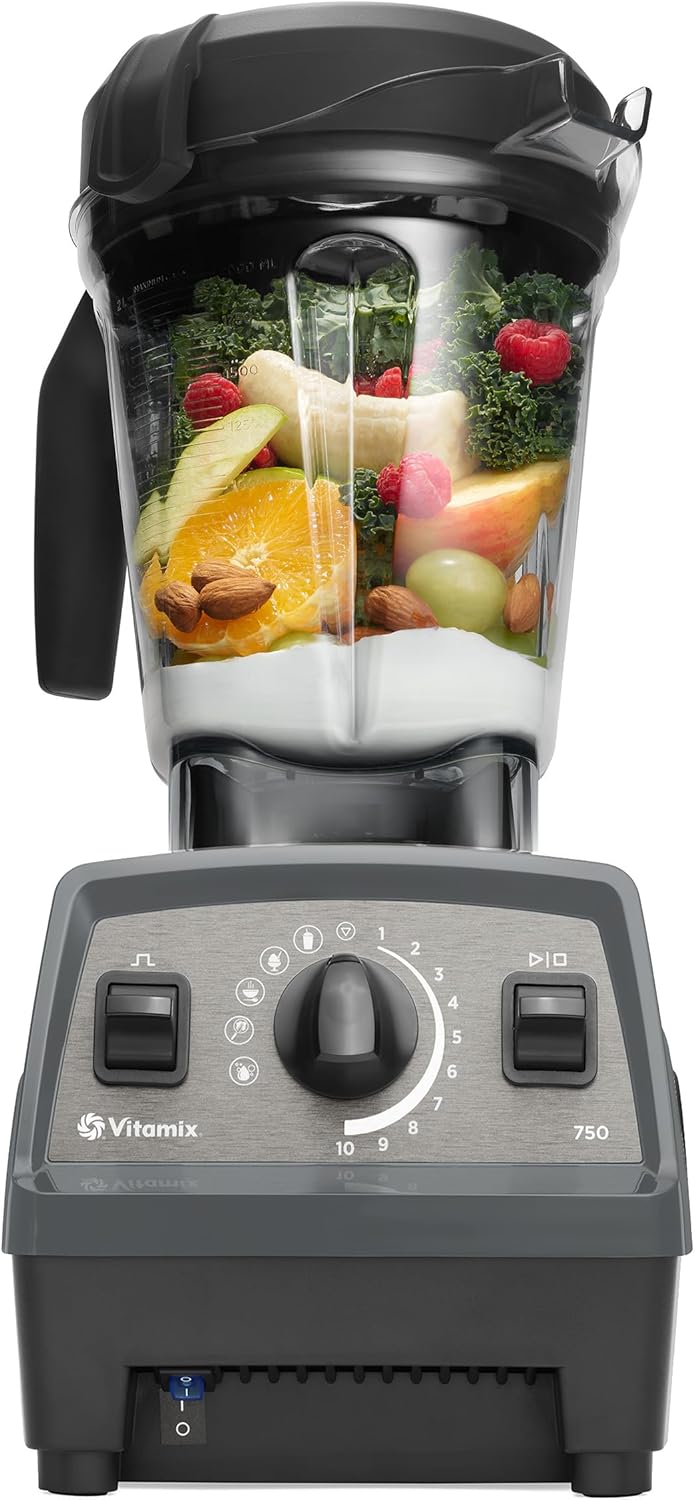
Vitamix Propel Series 750 Blender with Four Blending Programs, Self-Cleaning Program, Professional-Grade Blender for Smoothies, Soups and More, Stainless-Steel Blades, 64 Oz Container, Slate
- Included: Propel Series 750 blender motor base, 64-ounce low-profile container, and low-profile tamper; this low-profile kitchen blender container allows for large-capacity blends while still fitting under kitchen cabinets
- Four Blending Programs: Four automatic Blending Programs for Smoothie, Hot Soup, Frozen Dessert, and Dip & Spread, for consistent results; achieve precise textures with 10 variable speed settings and a Pulse Function for ice crushing
- Self-Cleaning Program: Just add warm water, a drop of dish soap, and run the Self-Cleaning Program; the blender will clean itself in 60 seconds or less
- 2.2 HP Motor: Equipped with a high-performance motor, this countertop blender lets you say goodbye to chunky smoothies and hello to effortless blends
Whole Food Choices That Make Healthy Eating Sustainable
Sustainability is where most New Year resolutions fall apart. When food rules are too strict or meals feel disconnected from real life, motivation fades quickly. I’ve seen the biggest long-term results come from habits that are easy to repeat even on busy days.
This is where whole food choices shine. They don’t require special products or complicated preparation. A bowl of beans with vegetables and grains can be assembled in minutes. Fresh fruit paired with nuts makes a simple, satisfying snack. Meals like these support steady blood sugar and reduce energy crashes that often lead to overeating later.
One of my favorite ways to keep whole-food meals satisfying is cooking them in a pot that holds heat beautifully and encourages slow, nourishing meals. A Le Creuset Dutch oven is ideal for soups, stews, and beans that feel comforting and grounding—exactly what many of us crave at the start of the year.

Le Creuset Enameled Cast Iron Signature Round Dutch Oven, 7.25 qt., Cerise
- Enameled cast iron delivers superior heat distribution and retention
- Ready to use, requires no seasoning
- Easy-to-clean and durable enamel resists dulling, staining, chipping and cracking
- Light colored smooth interior enamel allows easy monitoring of cooking progress
Another reason this approach works is that it leaves room for enjoyment. Healthy eating doesn’t have to feel separate from family meals or social gatherings. When the foundation is solid, occasional indulgences don’t derail progress. There’s no guilt attached—just a return to familiar, nourishing foods at the next meal.
Over time, this consistency builds trust with food. Eating becomes intuitive again, guided by hunger, satisfaction, and how meals make the body feel rather than external rules.
Moving Away From Restriction at the Start of the Year
Restriction often disguises itself as discipline, especially in January. Cutting entire food groups or drastically reducing intake may promise quick results, but it rarely leads to lasting change. In my experience, restriction creates a cycle of control and rebound that leaves people feeling frustrated rather than supported.
A healthier approach focuses on addition rather than subtraction. Adding vegetables, legumes, whole grains, and fiber-rich foods naturally crowds out less nourishing options without conscious effort. When meals are built around whole food choices, appetite regulation improves and cravings become less intense over time.
This shift also supports mental well-being. Food stops feeling like a test of willpower and starts feeling like care. That mindset matters just as much as what’s on the plate. The goal isn’t to eat “perfectly,” but to eat in a way that feels sustainable, satisfying, and supportive of daily life.
Letting go of restrictions at the start of the year creates space for consistency. And consistency—not intensity—is what actually leads to better health.
A Simple Way to Bring Whole Foods Into Daily Life
One of the easiest ways to maintain momentum is to keep meals familiar. Rotating a short list of reliable dishes reduces decision fatigue and makes grocery shopping easier. I often rely on soups, grain bowls, roasted vegetables, and simple plant-based spreads during the first months of the year.
Preparing components ahead of time also helps. Cooking a pot of beans, washing greens, or roasting vegetables once or twice a week makes assembling meals quick and stress-free. These small steps support whole food choices without turning cooking into a full-time commitment.
This approach leaves room for flexibility while maintaining structure. Meals feel intentional but not rigid, which makes healthy eating easier to sustain well beyond January.
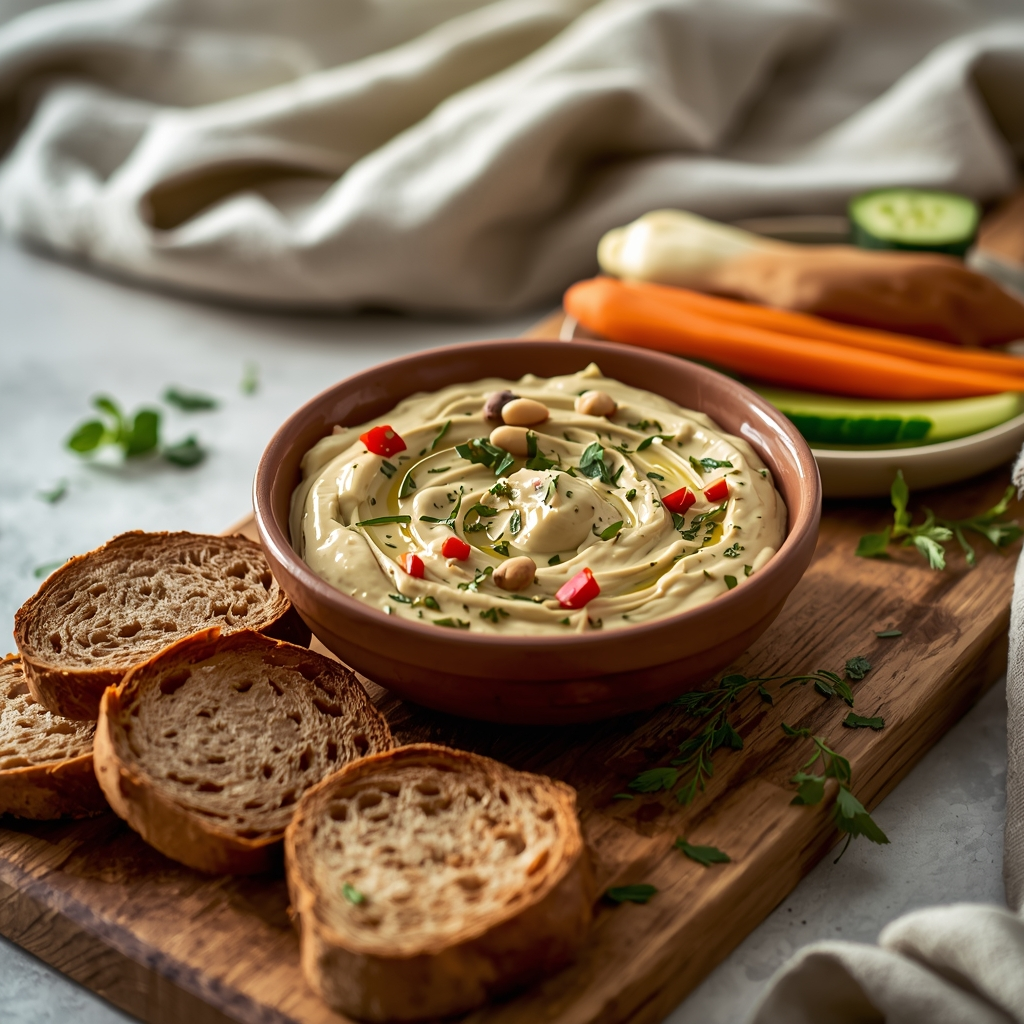
Recipe: Roasted Vegetable & White Bean Herb Spread
This recipe fits naturally into a whole-food, plant-based approach and works well as a light meal, appetizer, or addition to grain bowls and wraps.
When whole-food eating feels easy, it’s often because prep time stays short. A reliable food processor takes minutes off everyday cooking—perfect for bean spreads, dips, and vegetable-based meals that come together quickly without sacrificing nourishment.

Cuisinart Food Processor, 14-Cup Vegetable Food Chopper for Mincing, Dicing, Shredding, Puree & Kneading Dough, 720-Watt Motor, Stainless Steel, DFP-14BCNY
- SUPERIOR FUNCTION: The Cuisinart Food Processor with 720-watt motor functions as a vegetable chopper, blender, and food processer in one. Make any kind of dip, puree soup, or sauce including hummus, salsa, guacamole, and more.
- MUST-HAVE FEATURES: The 14-cup food chopper has “on” and “off/pulse” buttons with an extra-large feed tube with bowl sleeve assembly designed for both small and large feed tube pushers. It also comes with a detachable disc stem for easy clean up.
- INCLUDED ACCESSORIES: This food processor comes with dishwasher-safe parts including a stainless steel standard slicing disc (4mm), medium shredding disc, and stainless steel chopping/mixing blade.
- NOTE TO CONSUMER: The shredding and slicing blades of this electric chopper are not adjustable. Please refer to the manual before setting up.
Ingredients
- 1 can cooked white beans, drained and rinsed
- 1 medium zucchini, sliced and roasted
- 1 small red bell pepper, roasted
- 1 clove garlic, roasted
- 2 tablespoons tahini
- Juice of ½ lemon
- 1 tablespoon olive oil
- Fresh parsley or basil, chopped
- Sea salt to taste
Instructions
- Roast the zucchini, bell pepper, and garlic at 400°F (200°C) until tender and lightly caramelized.
- Add the roasted vegetables, white beans, tahini, lemon juice, and olive oil to a food processor.
- Blend until mostly smooth, leaving some texture.
- Stir in fresh herbs and season with sea salt.
- Serve warm or chilled with vegetables, whole-grain toast, or as part of a balanced meal.
Navigating Challenges and Finding Support for Whole Food Eating
Choosing whole foods in a busy, social world can feel challenging, but preparation and communication make it manageable. When healthier options are limited, sharing food preferences ahead of time or bringing a nourishing dish helps reduce stress and keeps gatherings enjoyable. Suggesting restaurants with flexible menus also makes social situations easier without drawing unnecessary attention to food choices.
Emotional eating is best addressed through awareness rather than restriction. Noticing patterns tied to stress, fatigue, or routine allows space for more supportive responses, such as writing, stepping away briefly, or reaching out to someone trusted. These small shifts help reconnect eating with intention instead of habit.
Cost is another concern, but whole food eating can remain affordable with simple strategies. Buying beans and grains in bulk, choosing frozen or seasonal produce, and shopping locally help manage expenses while keeping meals nourishing. Support plays a critical role in consistency. Whether through family, friends, or shared online spaces, encouragement reinforces healthy habits. Progress shows up in how you feel and function each day, not in rigid measures. Challenges are part of real life, and meeting them with flexibility and self-respect keeps whole food eating sustainable over time.
Letting Progress Guide the Year Instead of Pressure
January often brings a sense of urgency, as if every habit must change immediately. I’ve found that this pressure creates unnecessary tension around food and health. A more effective approach is allowing progress to guide the year, one steady choice at a time.
Health builds through repetition, not intensity. When meals are nourishing and satisfying, motivation becomes less important because the routine itself feels supportive. This is where whole food choices help anchor consistency. They provide structure without rules and flexibility without chaos.
There will be days that look different from the plan, and that’s part of real life. What matters is returning to familiar, nourishing meals without guilt or self-criticism. Each meal is another opportunity to support the body, regardless of what came before it.
When pressure is removed, healthy eating becomes something that adapts to life instead of competing with it. That mindset makes it far more likely that the habits formed in January will still feel relevant months later.
Closing Thoughts on Starting the Year Healthy
Starting the New Year healthy doesn’t require dramatic changes or strict plans. It begins with choosing foods that support the body and fit naturally into daily life. By focusing on nourishment, consistency, and simplicity, healthy eating becomes something that feels achievable rather than overwhelming.
For me, returning to real, plant-based foods at the start of the year provides clarity and balance. It sets a steady rhythm that carries through the months ahead. When meals are built with intention and care, health becomes a natural outcome rather than a constant goal to chase.

*We may earn a commission for purchases made using our links. Please see our disclosure to learn more.