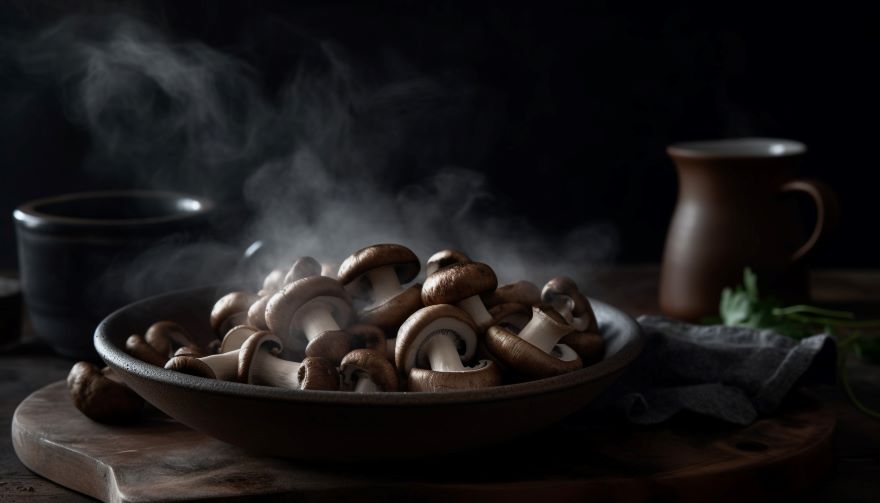
Steamed mushrooms are a simple yet delicious way to enjoy the earthy flavors of various mushroom types. Choosing this cooking method allows the natural taste, texture, and nutrients of mushrooms to shine while keeping calorie consumption low. It is a versatile dish that can be savored on its own or incorporated into your favorite recipes.
This guide will walk you through the process of steaming mushrooms and share some tips and tricks to elevate your mushroom dishes. We’ll also discuss the health benefits of mushrooms and provide some tasty ideas for serving steamed mushrooms.
Why I Love Making Steamed Mushrooms
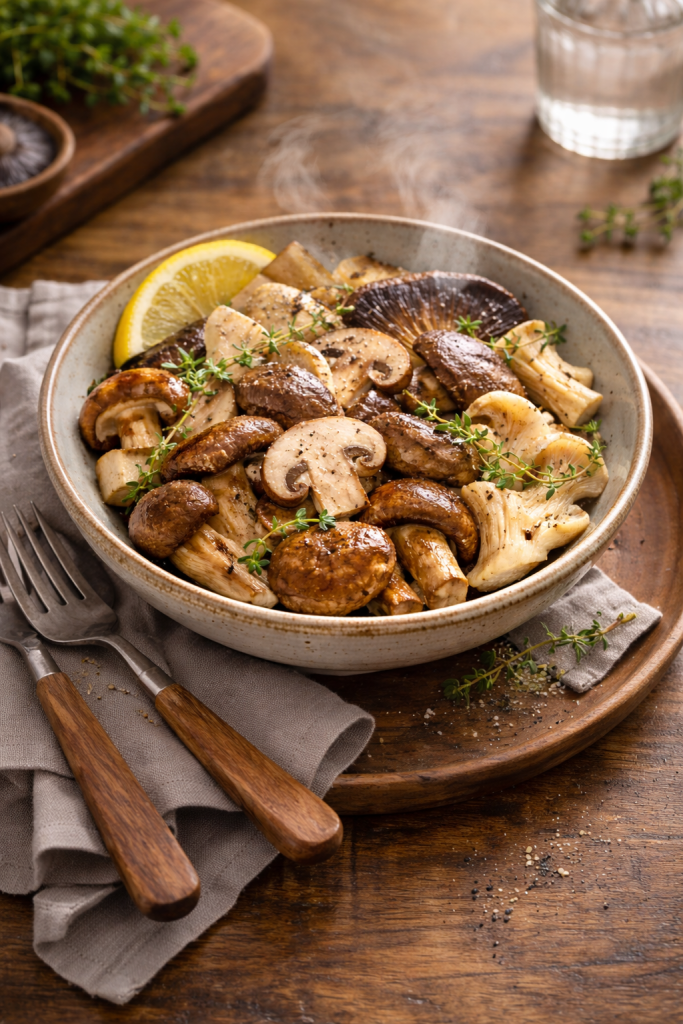
I’ve found that steamed mushrooms have a texture that’s completely different from mushrooms cooked over high heat. When I steam them, they turn tender without becoming rubbery or shriveled. The gentle heat surrounds them evenly, allowing their earthy flavor to deepen naturally instead of being masked by oil or aggressive browning. There’s something satisfying about seeing them soften just enough while still holding their shape and bite.
What I appreciate most is how versatile steamed mushrooms become once they’re cooked. After steaming, I can toss them with fresh herbs, a squeeze of lemon, or a splash of light broth, and they absorb those flavors beautifully. I don’t need heavy sauces or excess oil to make them taste good. For me, steaming keeps the focus where it belongs — on the ingredient itself.
A Closer Look at Steamed Mushrooms
When it comes to steamed mushrooms, I believe it’s essential to know about their nutritional benefits and the different varieties of edible mushrooms available. In this section, I will discuss the nutritional profile and various types of mushrooms suitable for steaming.
Nutritional Profile of Mushrooms
Mushrooms are a fantastic addition to any meal due to their rich nutrient content. They are low in calories and a good source of proteins, antioxidants, and several vitamins and minerals. The different mushroom types have varying nutrient compositions. Here’s a brief overview of typical nutrients found in mushrooms:
- Protein content: Mushrooms are an excellent source of protein. For instance, a 100g serving of button mushrooms contains around 3g of protein.
- Antioxidants: Mushrooms are rich in antioxidants like ergothioneine and selenium, which help protect cells from damage.
- Vitamins: Mushrooms are a good source of B vitamins, including vitamin B2, B3, and B5.
- Minerals: They contain essential minerals like potassium, phosphorus, and copper.
Steaming is a great way to cook mushrooms, as it helps retain their nutrients and flavor and keep them tender, juicy, and moist.
Different Varieties of Edible Mushrooms
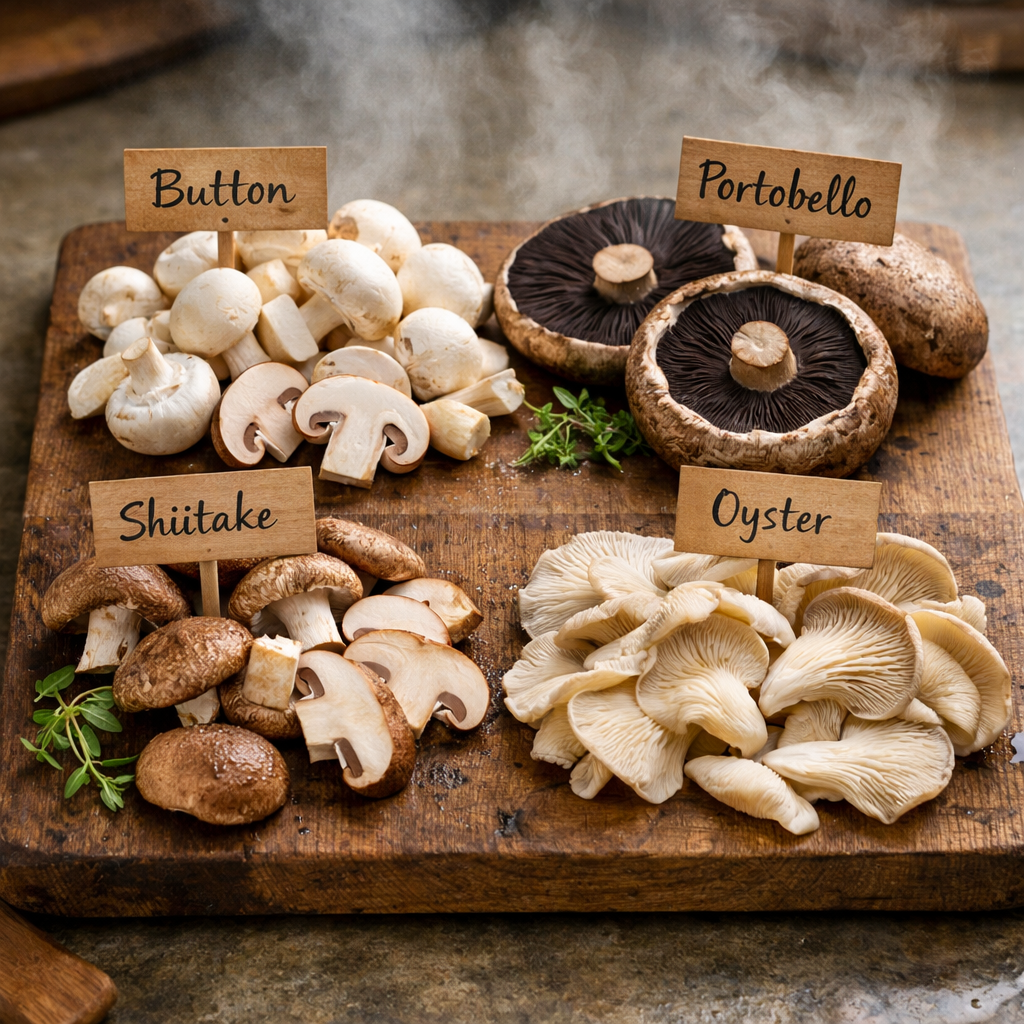
There are many types of edible mushrooms, but not all of them may be appropriate for steaming. Here are some popular mushrooms perfect for this cooking method:
- Button mushrooms: These mushrooms are the most common variety available. They have a mild flavor, making them an excellent addition to steamed dishes.
- Portobello mushrooms: Portobellos are fully grown and mature button mushrooms. They have a more robust flavor than the young ones and a denser texture, perfect for steaming.
- Shiitake mushrooms: Shiitakes have a rich, earthy taste and a firm texture, and steaming brings out their unique flavors.
- Oyster mushrooms: With a delicate and tender texture, oyster mushrooms are fantastic when steamed as they don’t turn rubbery or lose their distinctive taste.
In summary, steamed mushrooms are a delicious, healthy option, and understanding the nutritional profile and various types of mushrooms suitable for steaming can help you choose the best mushrooms for different recipes and cooking styles.
The Essentials of Steaming Mushrooms
Choosing the Right Equipment
For those who prefer a stovetop method, a well-made Dutch oven creates the ideal steaming environment. The Le Creuset Enameled Cast Iron Dutch Oven holds steady heat and traps moisture beautifully, allowing mushrooms to steam gently without drying out. It’s one of those investment pieces that turns simple cooking techniques into something exceptional.

Le Creuset Enameled Cast Iron Signature Round Dutch Oven, 7.25 qt., Cerise
- Enameled cast iron delivers superior heat distribution and retention
- Ready to use, requires no seasoning
- Easy-to-clean and durable enamel resists dulling, staining, chipping and cracking
- Light colored smooth interior enamel allows easy monitoring of cooking progress
When it comes to steaming mushrooms, the right equipment makes all the difference. I’ve experimented with plenty of options, and I recommend using an electric steamer or a steamer basket that fits into a pot. Electric steamers offer convenience and precision, while a simple steamer basket provides a more traditional approach. Whichever you choose, make sure there’s enough space for the mushrooms to steam evenly without overcrowding.
If you want evenly steamed mushrooms with perfect tenderness, a quality steamer insert truly matters. The All-Clad Stainless Steel Steamer Insert is designed for excellent steam circulation and long-lasting durability. It allows mushrooms to cook gently and evenly without overcrowding — preserving their texture, moisture, and delicate earthy flavor.

All-Clad Specialty Stainless Steel Universal Steamer for Cooking 8 Inch Food Steamer, Steamer Basket Silver
- Durable heavy-gauge stainless construction
- Sits deep into the pan
- Long stick handle stays cool on the cooktop
- Lifetime warranty
Preparing Mushrooms for Steaming
Before we get to the actual steaming process, it’s important to prepare the mushrooms properly. Here’s a step-by-step guide on how to do it:
- Cleaning: Since mushrooms have a high water content, avoid soaking them in water. Instead, use a damp cloth or soft brush to remove any dirt or debris.
- Trimming: Cut off any tough or damaged parts and, if necessary, trim the stems.
- Slicing (optional): You can either steam the mushrooms whole or slice them. I recommend slicing them if you have larger mushrooms, as this ensures even cooking.
When slicing mushrooms for even steaming, a sharp, well-balanced knife makes all the difference. The Zwilling Pro Santoku Knife glides cleanly through delicate mushroom caps without crushing them, helping maintain their structure and texture. Its hollow edge design prevents sticking, which makes prepping mushrooms quicker and more precise.

ZWILLING Professional “S” 7-inch Hollow Edge Santoku Knife
- Manufactured in Germany
- Special formula high carbon NO STAIN steel
- SIGMAFORGE knife is forged from a single piece of solid steel
- Ice-hardened FRIODUR blade starts sharper, stays sharper longer, and has superior resilience
Now that we have the right equipment and our mushrooms are prepped, it’s time to start steaming.
- Fill the pot with a few inches of water, making sure the water doesn’t touch the base of the steamer or steamer basket. Begin heating the water to bring it to a gentle boil.
- Place the mushrooms in the steamer or steamer basket, leaving enough space for the steam to circulate. When the water is boiling, set the steamer or basket in the pot and cover it.
- Steam the mushrooms for about 10 minutes, or until they’re tender. Do not overcook, as it can affect their texture and nutritional value.
And there you have it – perfectly steamed mushrooms! This method retains their natural flavors and keeps the nutrients intact, making it a healthy and delicious way to enjoy these versatile fungi.
Step-by-Step Mushroom Steaming Guide
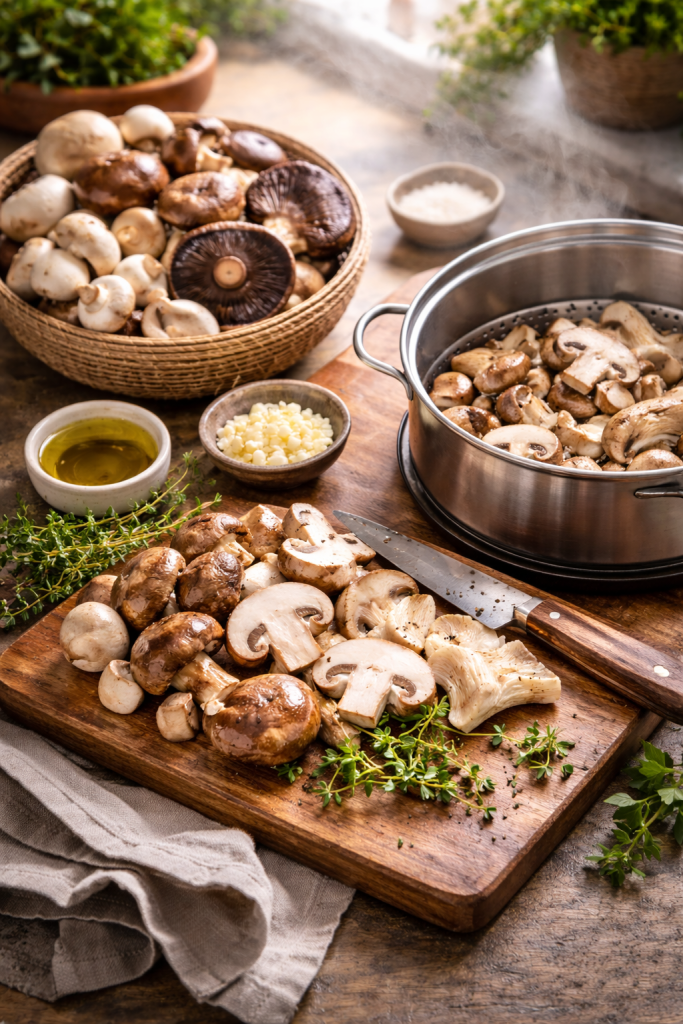
I love steamed mushrooms for their rich flavor and wonderfully tender texture. If you’re a fan too, here’s a simple guide to steaming mushrooms for the best results every time.
- Choose fresh mushrooms: Pick mushrooms that are firm, without bruises or slimy spots.
- Clean the mushrooms: Gently brush off any dirt with a soft brush or damp cloth. Avoid washing them, as they can absorb water and become soggy.
- Prep the mushrooms: Depending on their size and type, you could leave them whole or slice them into pieces.
- Prepare the steamer: In a pot with a steamer insert, bring water to a boil and make sure it doesn’t touch the steamer basket.
- Place the mushrooms in the steamer basket: Ensure they are in a single layer, not touching each other to allow even steaming.
- Cover and steam: Place the lid on the steamer and make sure it’s tightly sealed to prevent steam from escaping.
Timing and Temperature for Perfect Texture
The cooking time and heat for steaming mushrooms can vary depending on their type and size. Generally, I find that it’s best to steam mushrooms at a medium-high heat to ensure they cook through without becoming mushy or losing their flavors.
| Mushroom Type | Steaming Time (Approximate) |
|---|---|
| White or cremini | 5-7 minutes |
| Shiitake | 4-6 minutes |
| Oyster | 3-5 minutes |
Remember to keep an eye on them as they cook and adjust the time accordingly. Once the mushrooms are tender and have a vibrant color, they are ready to be served. From my personal experience, steamed mushrooms pair wonderfully with various dishes, and their unique texture sets them apart from other cooking methods. Give steaming a try, and I’m confident you’ll fall in love with this simple and delicious way of enjoying mushrooms.
Flavor Enhancements for Steamed Mushrooms
Herbs and Aromatics
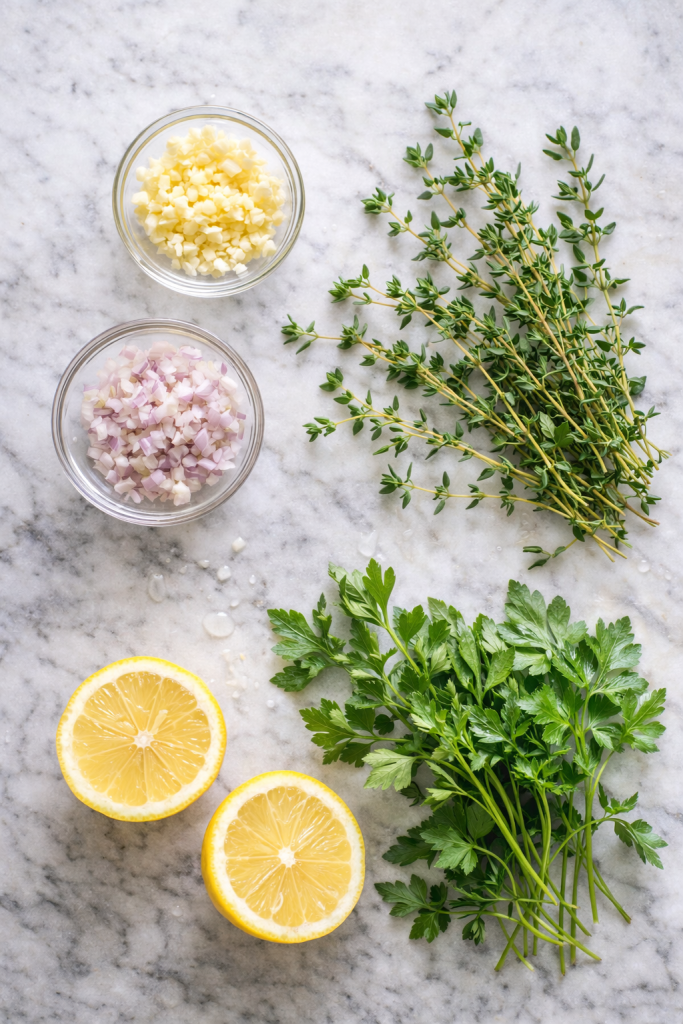
When I steam mushrooms, I find that incorporating herbs and aromatics can significantly elevate the flavor. It is essential to consider adding ingredients like thyme, garlic, shallots, and lemon juice to the steaming liquid. These flavors can infuse into the mushrooms, taking them from bland to bold in a matter of minutes.
For a simple but delicious seasoning mixture, try the following:
- 1 teaspoon fresh thyme leaves (or 1/2 teaspoon dried)
- 1 minced garlic clove
- 1 tablespoon minced shallot
- 1/2 tablespoon lemon juice
Combine these ingredients with your steaming liquid, and the mushrooms will soak up the flavors as they cook.
Creating Flavorful Infusions
Another great way to enhance the flavor of steamed mushrooms is by creating infused liquids for steaming. In general, I like to use flavorful bases like:
- Vegetable or chicken broth
- Rice vinegar
- Soy sauce
To create an umami-infused steaming liquid, I would use this combination:
- 1/2 cup vegetable broth (or white wine)
- 1/2 cup water
- 1 tablespoon rice vinegar
- 1 tablespoon soy sauce
- Optional: A little pat of almond butter for richness
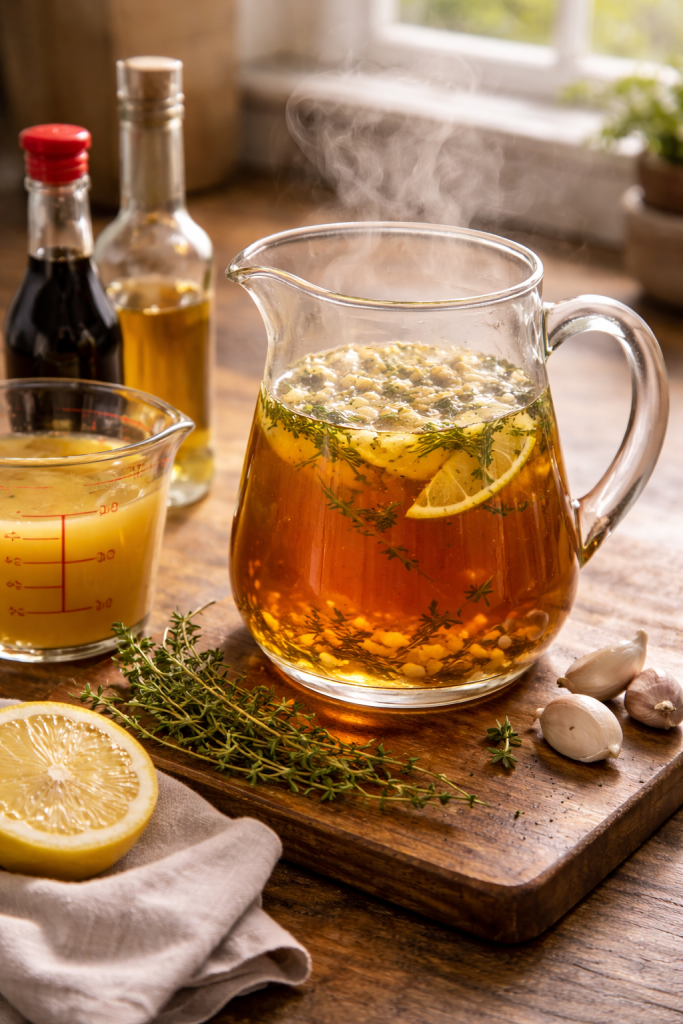
In addition to these bases, I like to add finely chopped fresh herbs and spices (such as the thyme, garlic, and shallot mixture mentioned earlier).
By using these techniques, I’ve found that my steamed mushrooms become more than just a simple side dish. They become a recipe for flavor adventure that I thoroughly enjoy!
Serving and Pairing Steamed Mushrooms
Steamed mushrooms are not only a healthy and tasty cooking method but also a versatile ingredient that can add a delicious touch to many dishes. In this section, I will discuss some innovative dish combinations, serving suggestions, and tips for making the most out of your steamed mushrooms experience.
Innovative Dish Combinations
In my experience, incorporating steamed mushrooms into various meals adds a unique dimension to the dish. Here are some ideas:
- Pasta dishes: Steamed mushrooms pair well with pasta, particularly in creamy sauces or even vegetarian lasagna. Try adding them to your favorite Alfredo or Pesto sauce for extra flavor and texture.
- Rice dishes: Steamed mushrooms are a great addition to risotto, fried rice, or rice pilaf, providing an earthy contrast to the more neutral flavors of rice.
- Fish dishes: Steamed mushrooms can enhance the delicate flavors of fish dishes. They can also be included in fish-based stews or casseroles for a delightful surprise.
Serving Suggestions and Tips
To make the most of your steamed mushrooms, I recommend the following serving suggestions and tips:
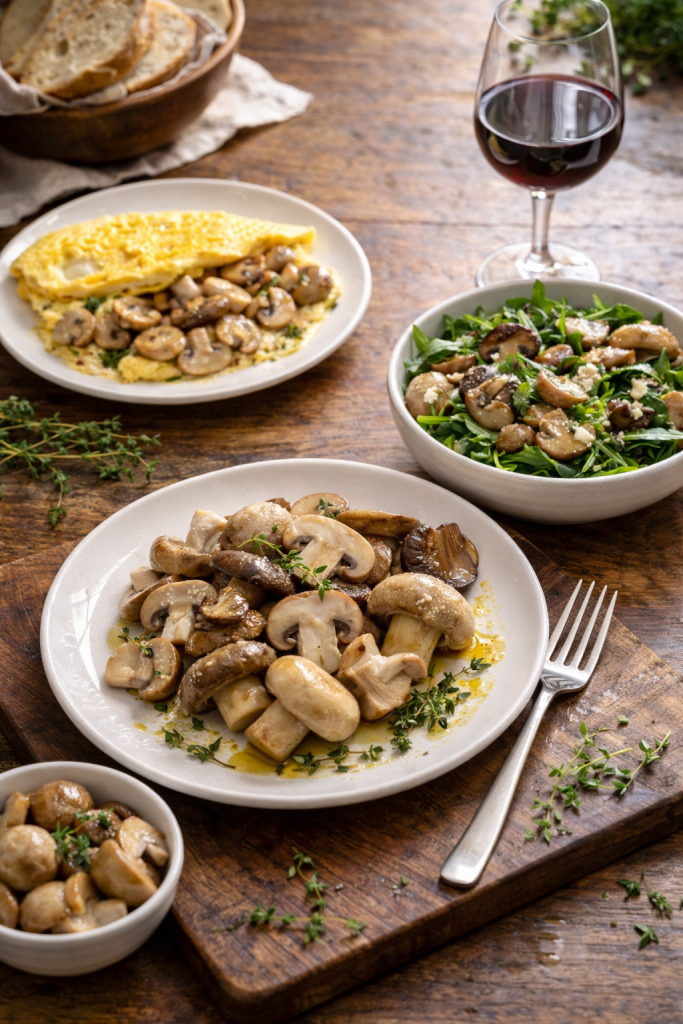
- As a side dish: Steamed mushrooms are an excellent side dish on their own or accompanied by other vegetables. Drizzle them with a little olive oil, season with salt, pepper, and fresh herbs, and serve alongside your favorite protein.
- In omelets or frittatas: Steamed mushrooms provide a tasty and nutritious addition to your morning omelet or a hearty frittata. The natural moisture in the mushrooms helps keep the omelet moist and flavorful.
- With wine: Pair your steamed mushrooms with a glass of wine to enhance your dining experience. Earthy and savory red wines, like Pinot Noir or Syrah, are particularly complementary. Just make sure not to overpower the delicate flavors of the mushrooms by selecting a wine with too strong of a profile.
- As a snack: A bowl of steamed mushrooms seasoned with your favorite spices creates a guilt-free, healthy snack option. Enjoy them on their own or with a dipping sauce of your choice.
- In salads: Add steamed mushrooms to salads for extra texture and nutrients. They work particularly well in warm salads, with ingredients like roasted vegetables or grains.
No matter your cooking method or dish choice, steamed mushrooms are a versatile and nutritious option that can add excitement and flavor to your meals.
Frequently Asked Questions
Do mushrooms shrink when steamed?
Yes, mushrooms shrink significantly during steaming. Because they are made up of about 90–95% water, heat causes them to release moisture and reduce in size. This is completely normal and helps concentrate their natural umami flavor.
Why do mushrooms release so much water when cooking?
Mushrooms contain a high water content. When heated, their cell walls break down and release moisture. Steaming actually controls this better than sautéing because the mushrooms cook gently rather than rapidly losing water in a hot pan.
Should you season mushrooms before or after steaming?
It’s best to season lightly before steaming if you’re infusing flavor (like garlic or herbs in the steam), but add salt after steaming to avoid drawing out excess moisture too early. Finishing with olive oil, lemon juice, or fresh herbs enhances flavor beautifully.
What’s the calorie count in a serving of steamed mushrooms?
A serving of steamed mushrooms (about 1 cup or about 100 grams) contains approximately 12 to 20 calories, depending on the mushroom type. As steaming doesn’t require any added fats or oils, mushrooms retain their naturally low-calorie content, making them a healthy and delicious option for a side dish or meal addition.
Can you steam frozen mushrooms?
You can, but the texture will be softer. Frozen mushrooms release more moisture and may become slightly spongy. For best results, steam fresh mushrooms whenever possible.
Are steamed mushrooms good for weight loss?
Yes. Steamed mushrooms are naturally low in calories and fat while providing fiber, antioxidants, and B vitamins. Because they’re filling and flavorful, they can help support balanced, lower-calorie meals without sacrificing satisfaction.

A Simpler Way to Enjoy Steamed Mushrooms
Steamed mushrooms may seem simple, but sometimes the simplest cooking methods reveal the most flavor. When you cook mushrooms gently in steam rather than drowning them in oil or overexposing them to high heat, their natural texture and earthy richness shine through.
For me, steaming is about respecting the ingredient. It’s clean, light, and surprisingly satisfying. Whether you’re adding them to a grain bowl, folding them into an omelet, or serving them as a simple side, steamed mushrooms show that healthy cooking doesn’t have to be complicated to be deeply flavorful.
Sometimes, less truly is more.